Last updated: July 3, 2026
Code RED Newsletter #34
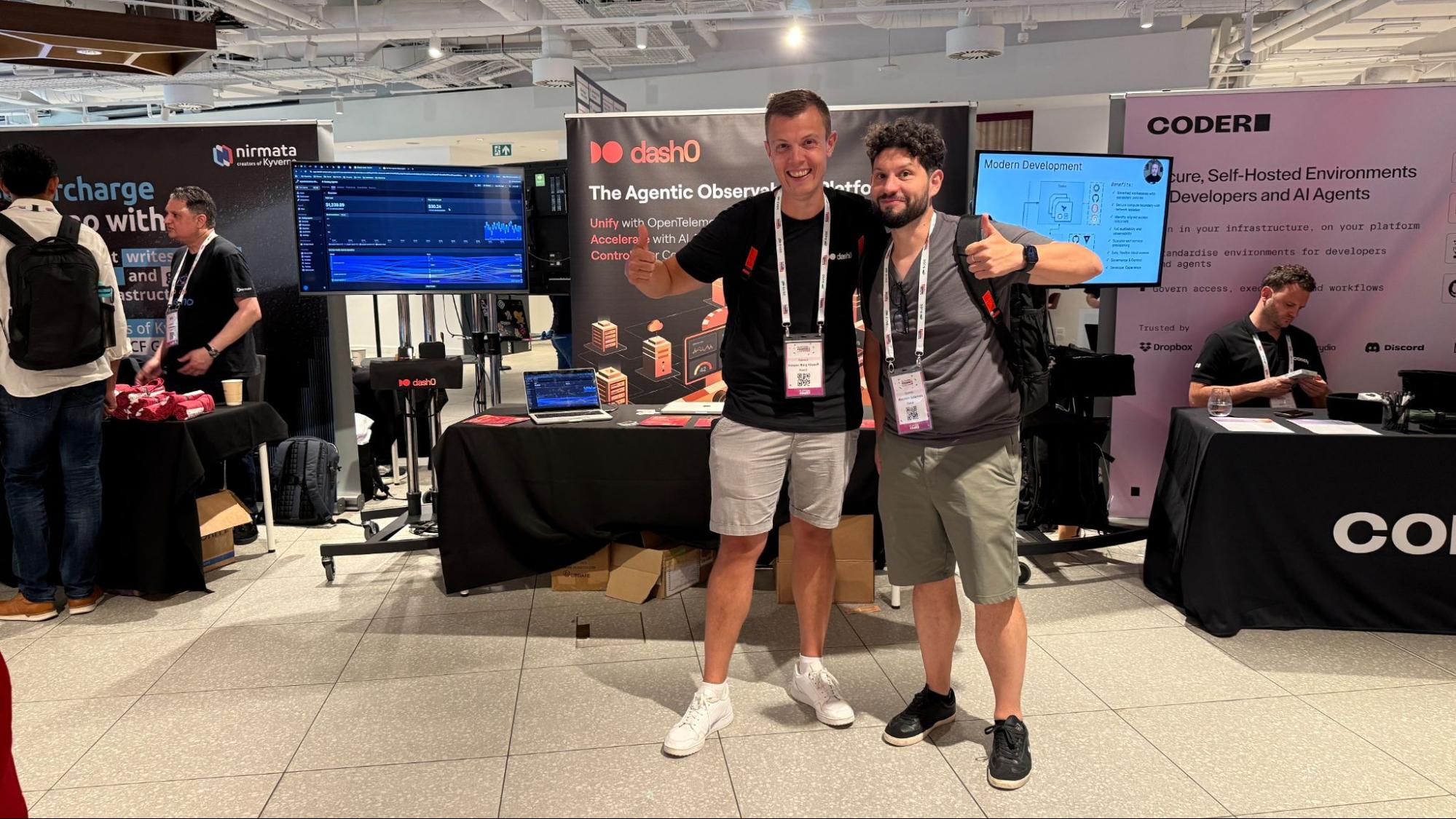
Last week I was supposed to be in your inbox. Instead I was in a hallway - first virtually, then in person in London - for PlatformCon 2026, while our US team and Julia were onsite in New York. And the conversation, on both sides of the Atlantic, was the same one. Not "should we use agents," that ship has sailed and is already halfway to production. The question now is the unglamorous one: what do you actually see when an agent does something weird at 2 a.m., and how much of your real work are you willing to handle? Platform engineers have been asking for a version of this for a decade. The nouns changed - it's "agents" now, not "microservices" - but the job didn't.
So this issue is the pre-break catch-up: the freshest things worth your attention before Code RED goes quiet for the summer. We'll be back on August 14 with a proper round-up of everything that happens while we're all pretending to be offline.
But before we go dark - Dash0 is coming out of the dark. On Monday, July 6, we're hosting a 30-minute live event called Beyond Observability, and that's genuinely all I'm allowed to say.

We've been building the next chapter behind closed doors, the profiles have gone dark, the countdown is on. You'll want to tune in. Register here.
The theme for this issue fell out of my own PlatformCon talk, because the more I worked on it the more it kept pointing at one thing: for all the noise about models and agents, the part that decides whether any of it works is the layer underneath. The foundation. And the foundation is OpenTelemetry.
In focus: OpenTelemetry as the Foundation
Here's the argument in three lines, because it's the load-bearing wall of everything below: without conventions, correlation fails; without correlation, AI guesses; with structure and context, AI reasons. The shape of my talk was simple: AI drags a third persona onto the platform - one that consumes telemetry as much as it emits it - and the platform's job to absorb that complexity hasn't changed; the unlock isn't a smarter model, it's the semantic conventions that make telemetry legible to one. AI doesn't reduce the need for platform thinking. Garbage in, garbage out, just faster and more expensive. I'm not going to pretend the pieces below were written to prove this - they're reflections from across the community, landing independently. But they keep pointing the same way: the standard is becoming the substrate, it's hardening in public, and people are already building on top of it.
PlatformCon 2026: AI is Raising the Stakes for Platform Engineering
Daniel Bryant's recap is the best single read if you want the whole conference's argument in ten minutes. The throughline he pulls from a dozen talks: AI success depends on robust platforms, not superior models. The line worth pinning to the wall - "GenAI does not make your problems go away - it amplifies your dysfunctions" (hold that thought for the DORA piece below). It's the clearest distillation of why the foundation matters more, not less, in the agentic era.
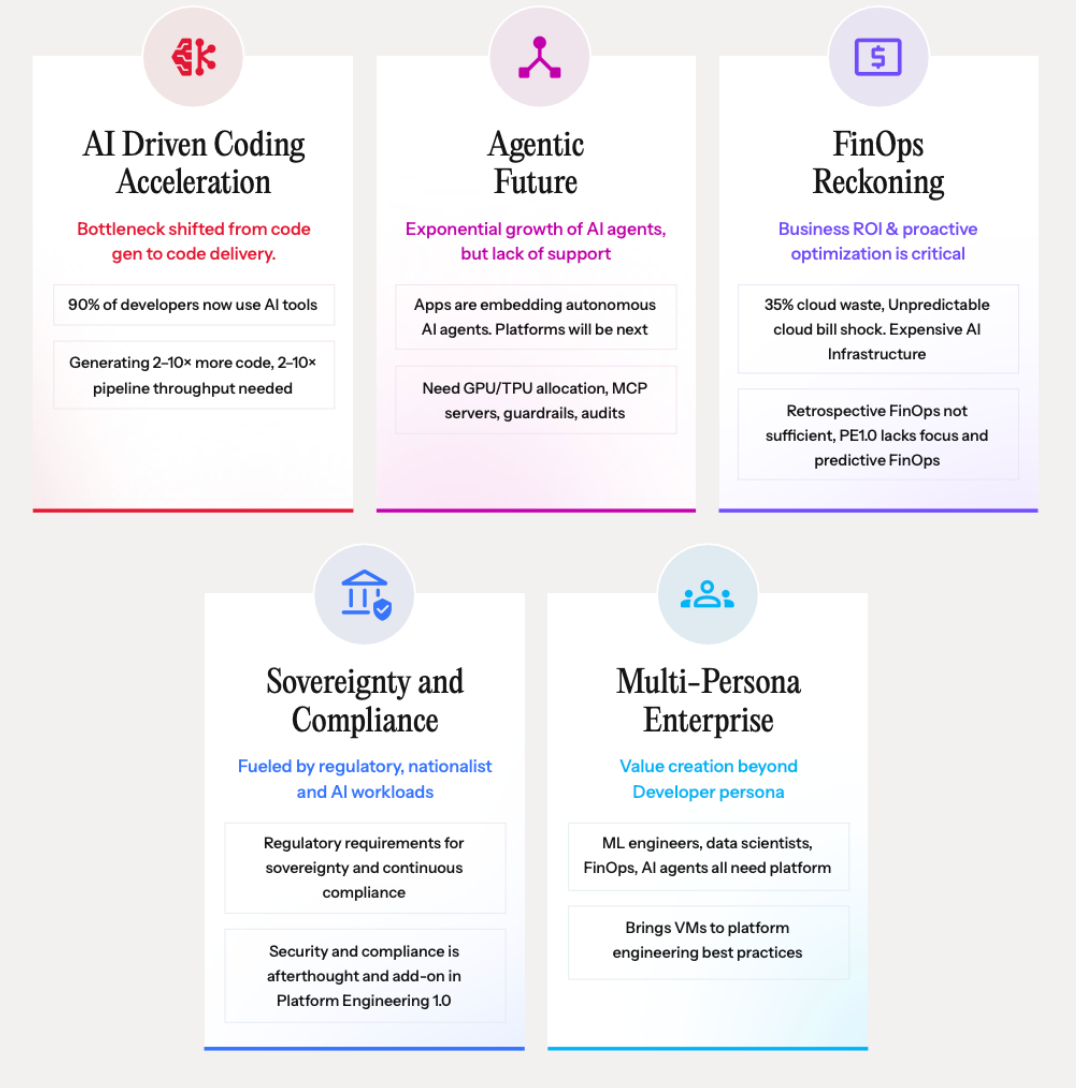
Introducing Platform Engineering 2.0: An evolution for the AI era
I don't love the "2.0" framing - platform engineering didn't ship a version bump, the stakes just went up - but this is a worthwhile read that lands right on the issue's theme. It's essentially a clean synthesis of the 2025 DORA research applied to platforms: the forces reshaping how we build for AI workloads, and the pillars to meet them. The throughline is the familiar one - AI doesn't replace the discipline, it raises the cost of doing it badly. Read it for the framework, not the version number.
Don't Wrap OpenTelemetry - You're Probably Hurting More Than Helping
A sharp piece from the OTel project itself. The well-meaning instinct: hide OpenTelemetry behind a tidy house wrapper - an IMetric interface, a helper class - so teams "don't have to learn OTel." Trouble is, every layer you build over the API is another place semantic conventions quietly go to die and the data model drifts - until the thing your agent needs to read is the thing only your wrapper understands. "Supports OpenTelemetry" was always too low a bar; "we wrapped it so nobody has to think about it" is lower still. Build on the foundation, not over it.
Why Cloud Native Belongs at the Heart of Agentic AI: Lessons From Building a Multi-Agent Security Platform on Kubernetes
A reassuring counterweight to the "agents need a whole new stack" panic. Willem Berroubache (Orange Innovation, Golden Kubestronaut) runs a real multi-agent security platform in regulated production - with exactly zero bespoke agent frameworks. Each agent is a plain Kubernetes Deployment; identity is cert-manager mTLS; guardrails are OPA and Kyverno, not prompt text; config is version-controlled CRs reconciled by Argo CD. And the bit that lands square on this issue's theme: he propagates trace IDs through A2A to stitch the agents' reasoning into one coherent trace. Kubernetes already solved identity, isolation, policy, and observability - the agentic layer runs on muscle you already have.
OpenTelemetry Semantic Conventions: A Release Candidate Wave
Want evidence the substrate is maturing? Don't watch the keynotes - read the semantic-conventions repo. In two weeks, a wave of conventions hit Release Candidate: Process metrics, VCS, Oracle DB attributes, and the disk/network/paging I/O-direction ones. None of it is glamorous; all of it is the boring, load-bearing work that decides whether your dashboards survive an upgrade. While everyone argues about which GenAI convention wins, the backbone is quietly becoming something you can depend on - which is exactly what a foundation looks like when it's working.
Browse the semantic-conventions repo
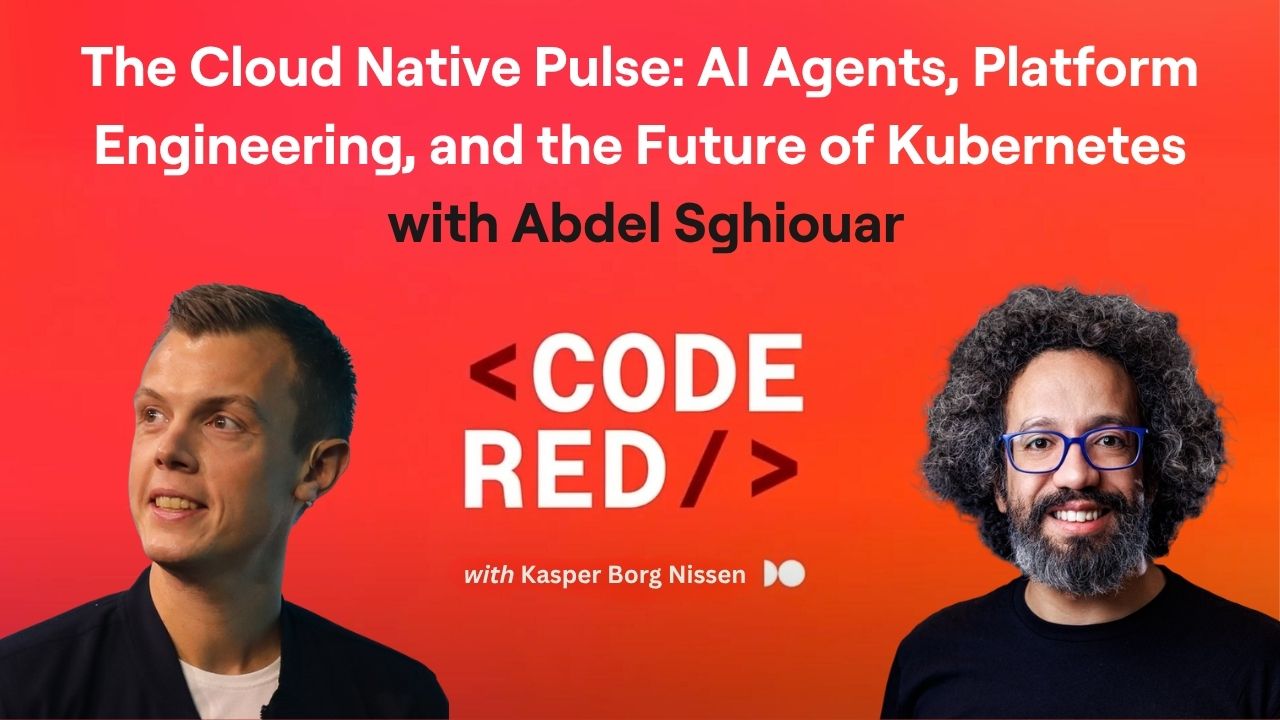
Code RED Podcast #45: The Cloud Native Pulse - AI Agents, Platform Engineering, and the Future of Kubernetes
I hosted this one myself, and it's the perfect companion to the theme. Abdel Sghiouar - Senior Cloud Developer Advocate at Google and a fellow KubeCon+CloudNativeCon co-chair - joined me to take the ecosystem's pulse: agentic workloads landing in Kubernetes, the pressure piling onto platform teams, and the slightly vertiginous reality that we're writing the best practices in real time because there's no playbook yet. The bit that stuck: the foundation is what makes the new stuff tractable. We also get into how to build a conference talk worth giving - handy if a CFP deadline is staring you down.
Choice cuts
Grab a coffee before you log off for the summer - a few more pieces worth a tab before the out-of-office goes up. And yes, this installment runs a little Dash0-heavy: it's a launch fortnight, what can I say.
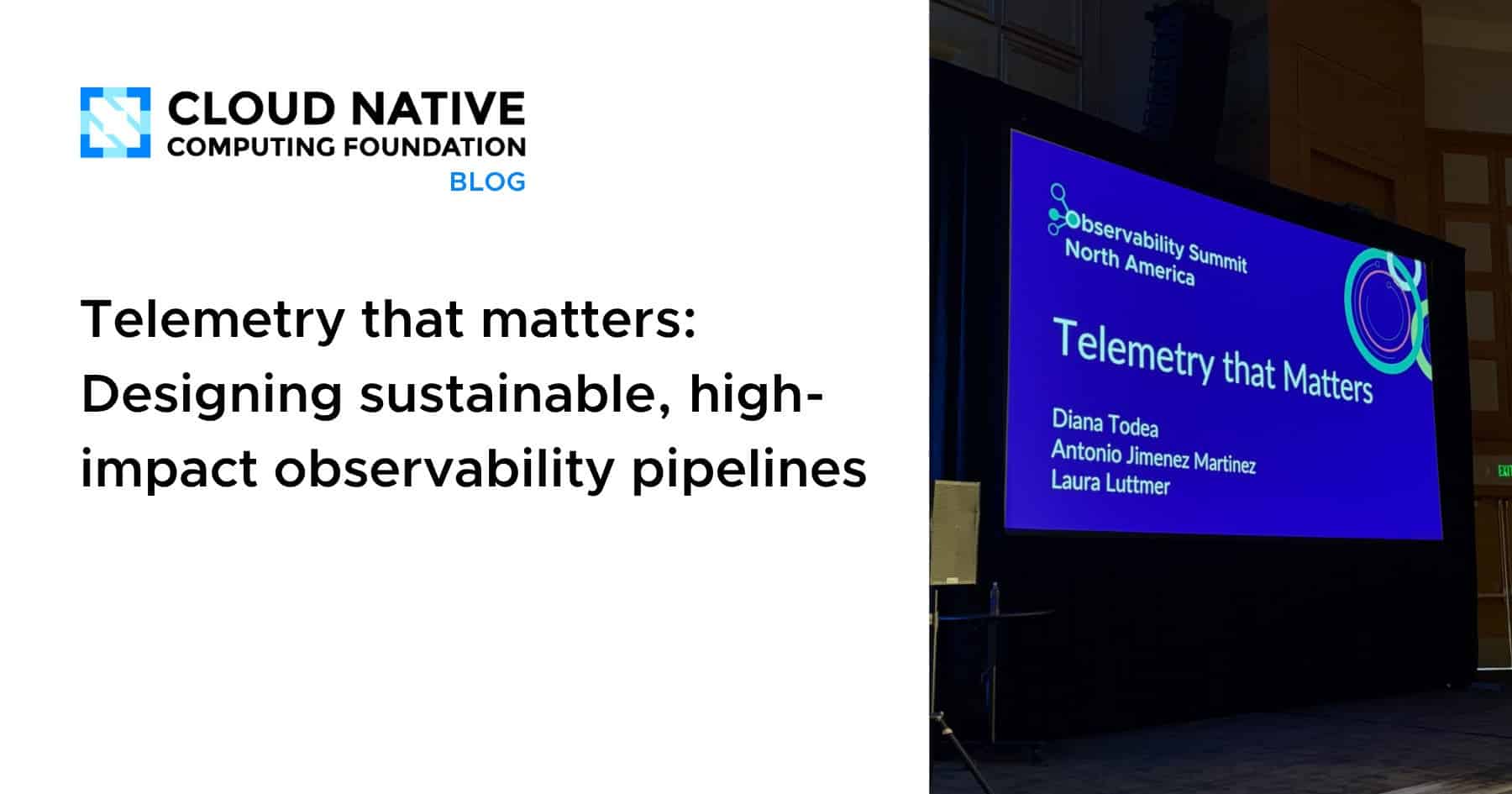
Telemetry That Matters: Designing Sustainable, High-Impact Observability Pipelines
The CNCF blog ran a solid one here, opening with a line you've lived: "we are drowning in our own telemetry data." More telemetry is not better telemetry - the signal is in the shape, not the volume. A good practical counterweight to the instinct to instrument everything and sort it out later.
From Data Residency to Digital Sovereignty: Architectural Patterns for Cloud Native Platforms
A change of pace from all the agent talk. The CNCF blog on how digital sovereignty went from policy slideware to a concrete platform-engineering concern - multi-cloud architecture shaped by the EU Data Act and NIS-2. If you build platforms in Europe (raises hand), this is the regulatory weather you're now designing around, and it's a solid tour of the architectural patterns.
Dash0 CLI v1.14.0: OAuth Support, OTLP Proxy, and More
Besides web events on the GeoMap and Cloud SQL monitoring, the changelog headliner this fortnight is the new CLI: browser-based OAuth (no more token copy-paste), a local OTLP forwarder to pipe telemetry straight from your laptop, precision-mode queries, and a proper Homebrew install. "OTLP from your dev machine in one command" is exactly the foundation-level plumbing this issue is about.
The thread tying this issue together - the job has been the same all along. Kubernetes got platform engineering. Observability got OpenTelemetry. And the agentic wave doesn't need a new foundation - it needs the one we already have, taken seriously. Make the system legible, and everything you want to build on top of it has something to stand on. The unglamorous foundation work is the most leveraged thing your platform team can do this year - it pays compounding interest.
And then there's July 6. I can't tell you what's coming out of the dark, but I can tell you it's the reason "Beyond Observability" is the name. Register here, tune in, and judge for yourself.
A couple of send-offs before the out-of-office goes up. The Dash0 crew were also on-site at Cloud Native Summit Munich, where Mauricio Salatino and me each gave a talk. I covered the maturity-mode, and Mauricio Salatino covered what it takes to build and observe agentic apps on Kubernetes once MCP, A2A, and skills enter the picture. Recordings to follow in a later installment..
And if you want something to watch over the break, three of us repped Dash0 in the PlatformCon virtual track and the recordings are live:
-
Beyond "supports OpenTelemetry": What platform engineers actually need to evaluate - Kasper Borg Nissen
-
Making AI workloads observable by default on Kubernetes - Julia Morgado
-
The theory and practice of trace sampling - Michele Mancioppi
That's it before the break. Thank you for reading all year - it genuinely means a lot. Go touch some grass, close the laptop, let the agents page someone else for a couple of weeks.
Until August 14: scrub your conventions, build on rock not sand, and may your foundation hold while you're away from your keyboard.
Kasper, out!
Hi, my name is Kasper!
I'm Kasper Borg Nissen, Director of Developer Relations at Dash0. I'm passionate about Observability and bridging the gap toward developers through Platform Engineering. I've previously worked 8 years as a platform engineer, I'm a former co-chair of KubeCon+CloudNativeCon, and I'm genuinely obsessed with all things cloud-native and open standards.