Last updated: February 6, 2026
Code RED Newsletter #24

Before we dive into this issue, a quick Dash0 update worth calling out.
This week, we announced that Dash0 is acquiring Lumigo, bringing deep AWS-native and serverless observability expertise into our OpenTelemetry-first platform. Lumigo has built strong capabilities around AWS Lambda, managed cloud services, and LLM observability, and their team in Tel Aviv is joining Dash0 to help extend our agentic observability approach beyond Kubernetes into event-driven and serverless systems. It’s a step that aligns closely with where modern architectures are heading - and where we see OpenTelemetry continuing to grow.
Now, to the community side of things.
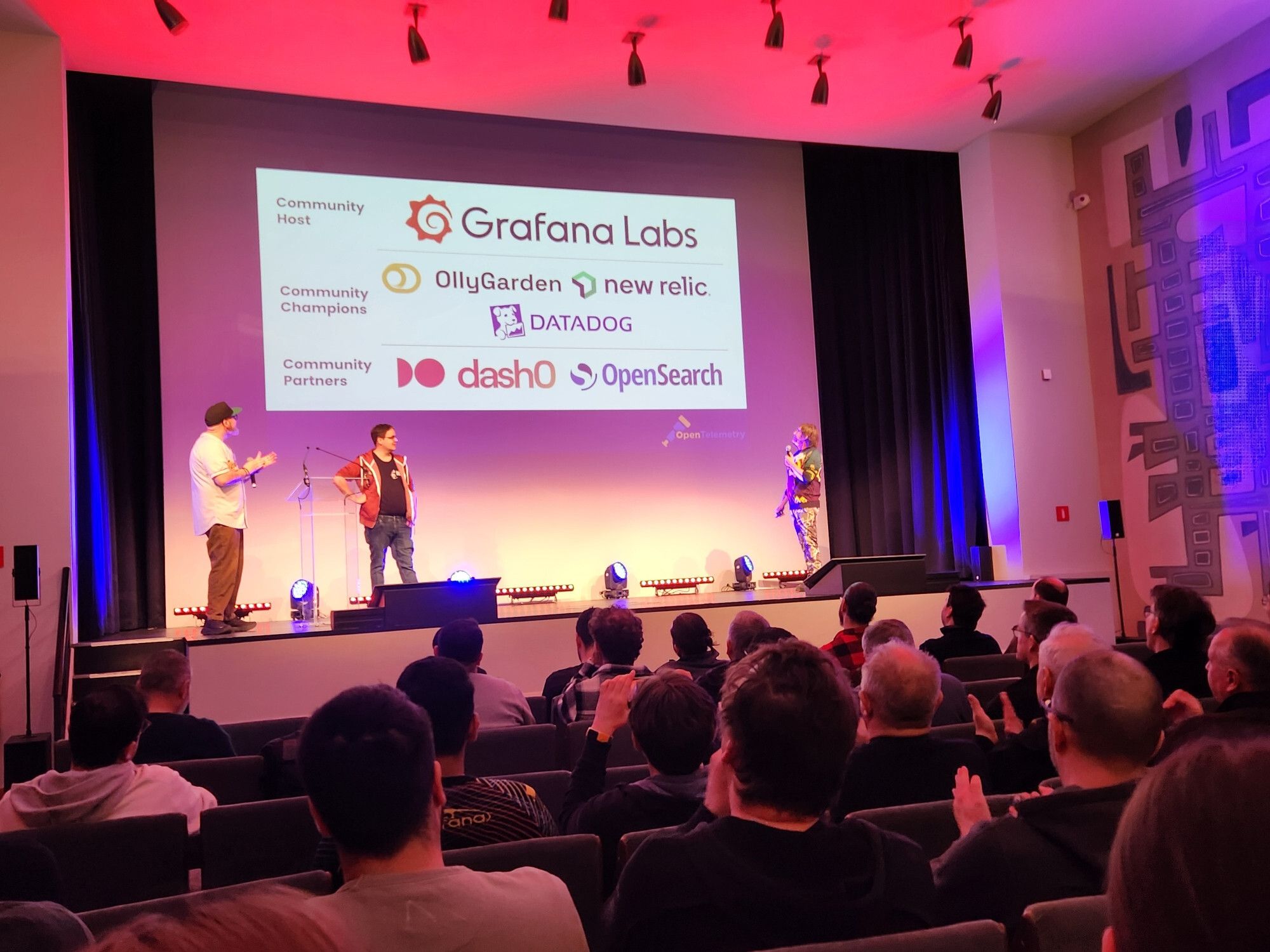
Earlier this week, OTel Unplugged took place - a community-driven OpenTelemetry event focused on the conversations that tend to happen after initial adoption.
While I wasn’t there myself, Michele Mancioppi attended and sent back this report:
“OTel Unplugged ‘26 was amazing! The community came together to tackle a bunch of issues, from the compatibility and integration of OpenTelemetry and Prometheus, to starting to work on a solution to make OpenTelemetry easy to install on Linux systems (think apt install opentelemetry and all your apps in Linux are monitored), fruitful discussions about semantic convention stabilization and so much more! OpenTelemetry is a mature project, and it's taking the right steps to become a project that is also easy to consume for its end users. Also, Ted Young is surprisingly handy with his yellow ukulele.”
A very OpenTelemetry kind of event: no product pitches, more maintainers, contributors, and honest conversations about the project’s future.
In focus: Practical OpenTelemetry Guidance
This issue brings together work focused on how OpenTelemetry is used and evaluated in real environments.
From blueprints and maturity models to Collector behavior and ecosystem surveys, the common thread is turning production experience into clearer guidance and more consistent expectations.
OpenTelemetry Observability Blueprints
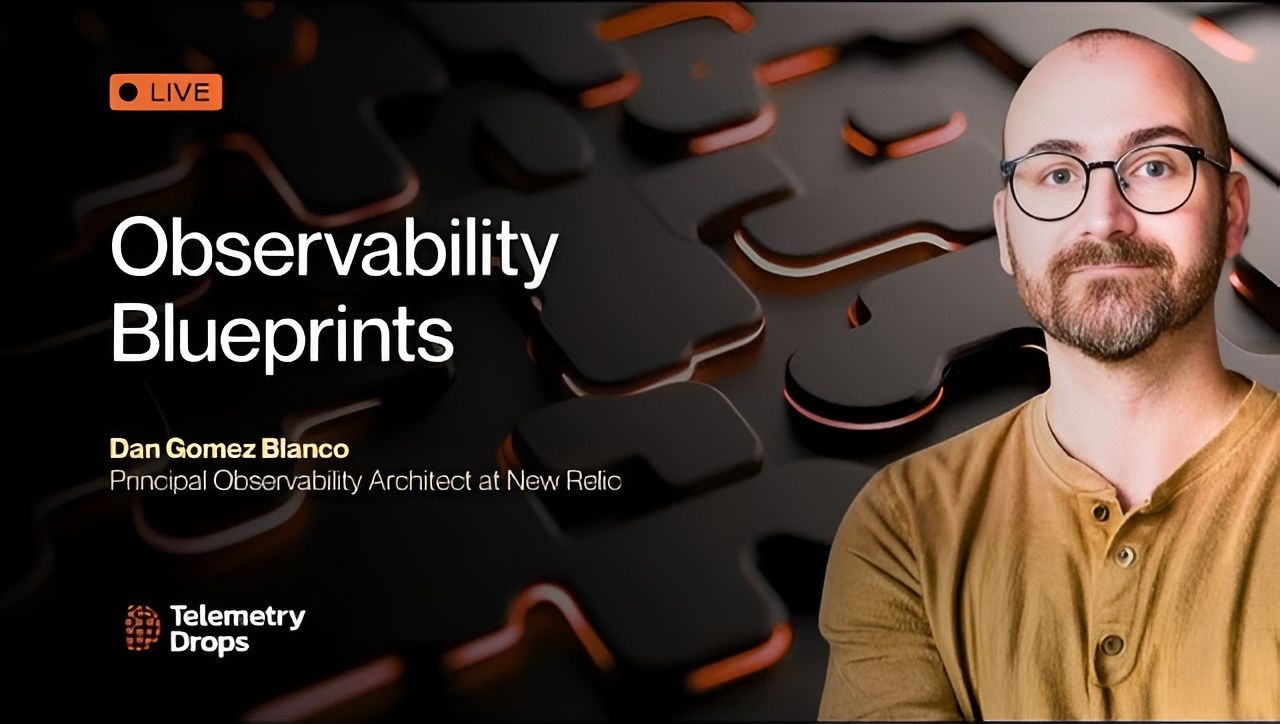
In this live session, Juraci Paixão Kröhling and Dan Gomez Blanco walk through the newly introduced Observability Blueprints initiative in the OpenTelemetry community.
The goal of the blueprints is to document proven ways teams use OpenTelemetry in practice - focusing on real operational challenges, guiding principles, and concrete implementation paths. Rather than prescribing tools, the blueprints aim to help platform and observability teams move from ad-hoc setups to more consistent designs. Think fewer one-off Collector configs copy-pasted from Slack, more shared reference points.
OpenTelemetry Support Maturity Model for CNCF projects
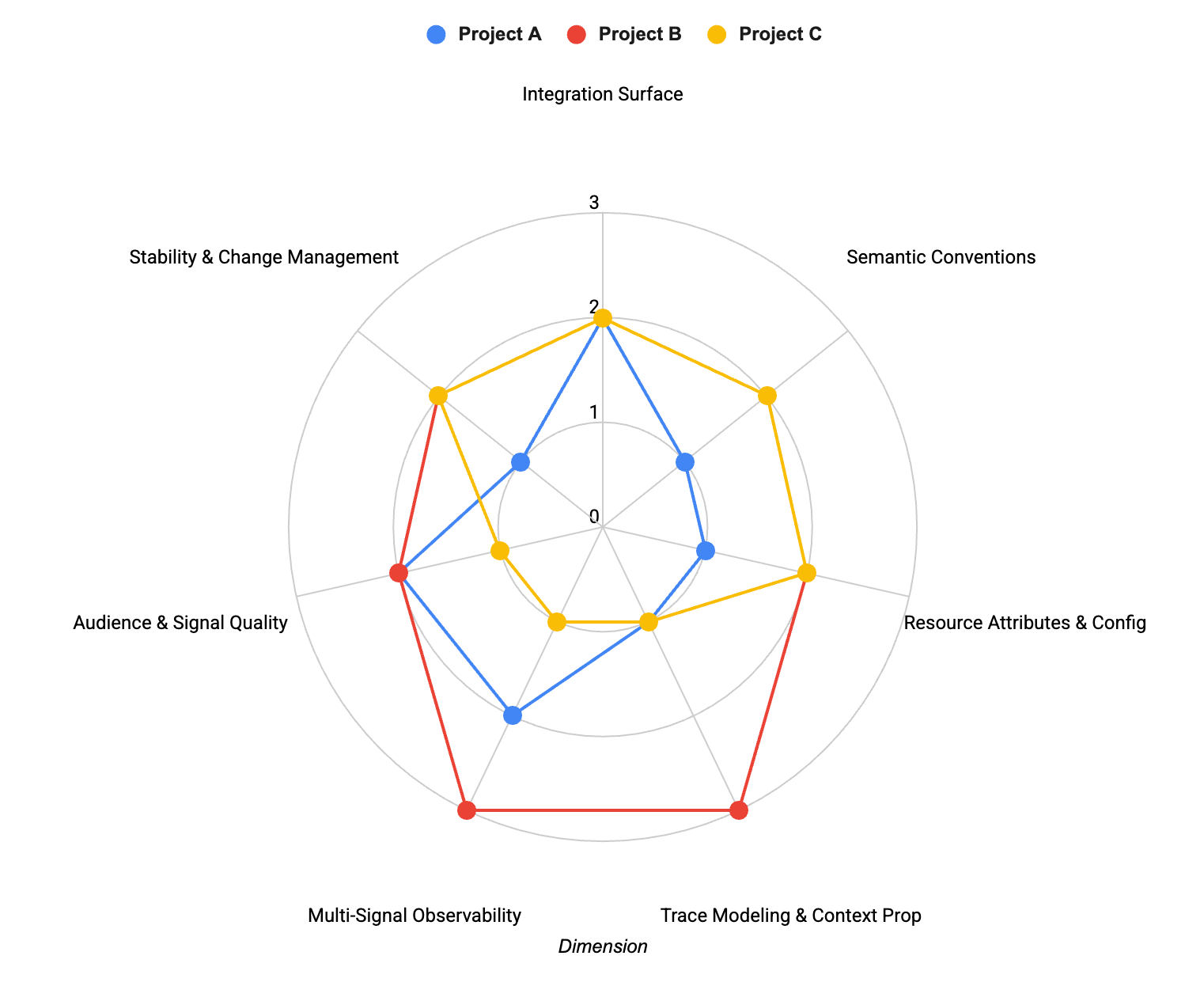
Based on recent work evaluating OpenTelemetry support across a number of CNCF projects, I shared a draft proposal with the OpenTelemetry community last week for a Support Maturity Model.
The goal is to move beyond a simple “does this project support OTel?” and instead help teams reason about how well it does - across signals, configuration, and operational usability. The proposal is intentionally early, and feedback from maintainers and users is encouraged to help validate the model and refine it based on real-world experience.
Why the OpenTelemetry Batch Processor is Going Away (Eventually)
The batch processor has long been a default component in many Collector pipelines, often enabled without much discussion. This post explains why the OpenTelemetry project is rethinking that default, what it means for buffering and reliability, and how Collector design is evolving based on real-world operational experience. If you’ve ever enabled it because ‘that’s what everyone does’, this one’s worth your time.
CNCF Annual Cloud Native Survey
The latest CNCF survey provides a broad snapshot of cloud-native adoption and usage across the industry. It offers useful context for where OpenTelemetry fits today - not as an experiment, but as a foundational part of modern cloud-native stacks.

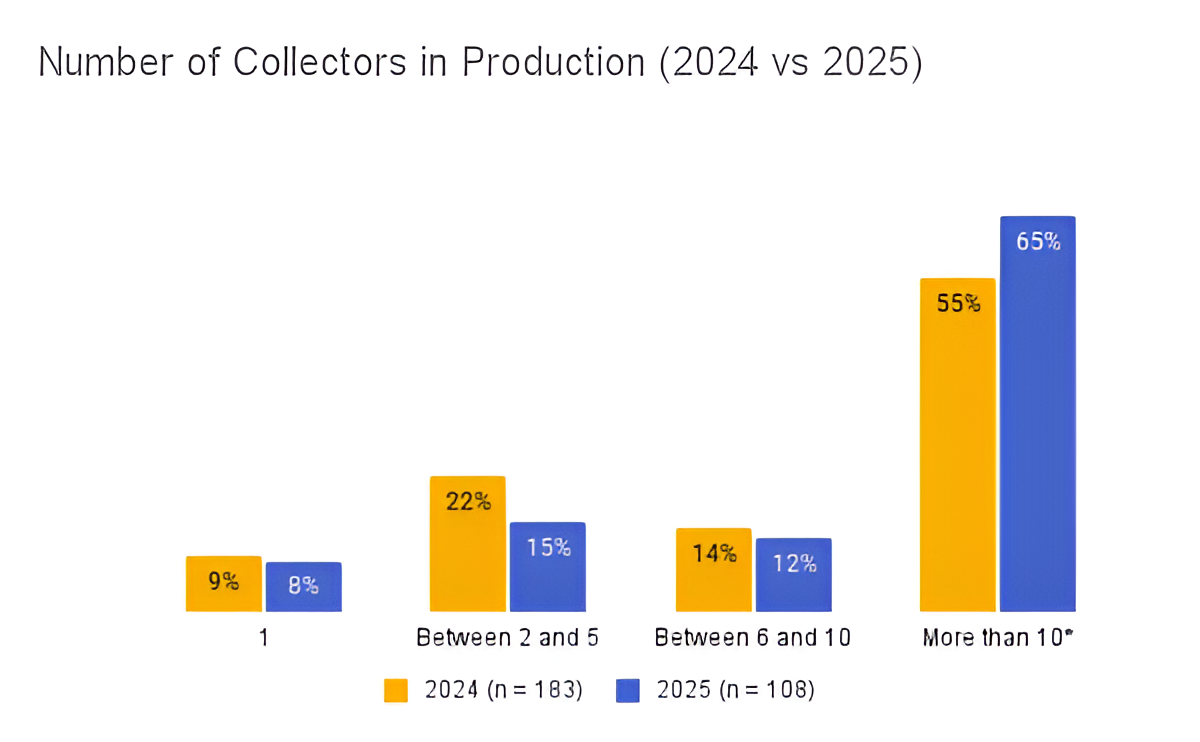
OpenTelemetry Collector Follow-up Survey
This follow-up survey looks at how the OpenTelemetry Collector is actually being deployed and operated. The results highlight common patterns, recurring pain points, and areas where users want clearer guidance - especially relevant for teams running OTel at scale.
Choice cuts
A few additional updates worth a tab or two in your browser
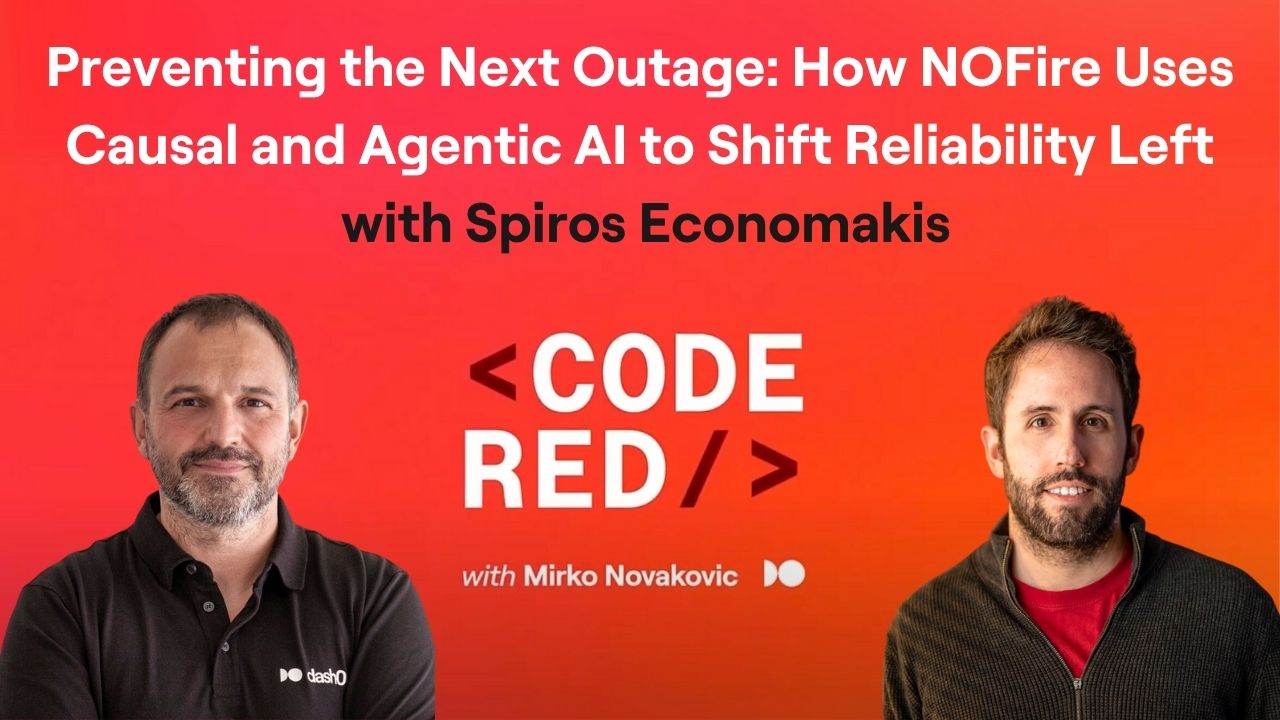
Code RED Podcast: Preventing the Next Outage – How NOFire Uses Causal and Agentic AI to Shift Reliability Left
In this episode of the Code RED Podcast, Spiros Economakis joins Mirko Novakovic to talk about using causal and agentic AI to prevent incidents before they escalate. A recurring theme is that these approaches only work when the underlying telemetry is structured, intentional, and trustworthy.
OpenTelemetry Community Manager Updates
At OTel Unplugged, the OpenTelemetry community shared an update to the Community Manager roles. Adriana Villela and Reese Lee are stepping up as Community Managers, with Julia Morgado joining them as Associate Community Manager.
At the same time, Austin Parker is stepping down from the role. The announcement reflects the project’s continued investment in community sustainability and coordination as OpenTelemetry grows. A big thank you to Austin, and a welcome to the expanded team.
That’s it for this issue of Code RED.
Across all of these pieces, the message is fairly consistent: OpenTelemetry is being refined through real-world usage, feedback, and iteration. Less focus on novelty, more focus on clarity, consistency, and operational reality.
See you in two weeks.
Hi, my name is Kasper!
I’m Kasper Borg Nissen, Developer Advocate at Dash0. I’m passionate about Observability and bridging the gap toward developers through Platform Engineering. I’ve previously worked 8 years as a platform engineer, I’m a former co-chair of KubeCon+CloudNativeCon, and I’m genuinely obsessed with all things cloud-native and open standards.