Last updated: February 20, 2026
Code RED Newsletter #25

Last week I was in London for Container Days, where Mauricio Salatino and I gave a talk on OpenTelemetry and Dapr - specifically on how to observe asynchronous workflows without losing your mind (or your trace context). As always, the hallway track was just as valuable as the sessions. At the Dash0 booth, we had some great conversations about telemetry quality, pipeline cost, agentic AI, and what actually breaks when you move from demo setups to real production scale - including where tools like Agent0 fit once the telemetry underneath is structured well enough to reason about. Check out the short recap video.
Interestingly, many of those conversations echoed what’s been happening across the ecosystem over the past couple of weeks. Agentic Observability is clearly becoming a prominent theme. Beyond Agent0, we’ve also released a CLI designed to work well for both humans and agents - alongside the existing Dash0 MCP server - giving structured interfaces to interact with observability programmatically.
This issue isn’t about a sweeping industry shift or a bold new manifesto. It’s about something more grounded: how we make telemetry pipelines more manageable, more intentional, and slightly less noisy than they were yesterday - so that both humans and agents can reason about them.
Let’s get into it.
In Focus: Tidying Up the Telemetry Pipeline
Once instrumentation is in place and signals are flowing consistently, the real work begins. Not collecting more data - but shaping what you already collect.
Telemetry accumulates quickly. Logs repeat. Metrics expand. Traces multiply. Over time, small inefficiencies become operational friction. Recent releases and discussions all circle this refinement layer of observability: log deduplication, workflow tooling, ecosystem velocity, and the practical realities of operating pipelines at scale.
And as the London conversations made clear, once telemetry is structured and shaped properly, that’s when tools like Agent0 become genuinely useful - not as magic, but as an additional reasoning layer built on clean signals.
Reducing Log Volume with the OpenTelemetry Log Deduplication Processor
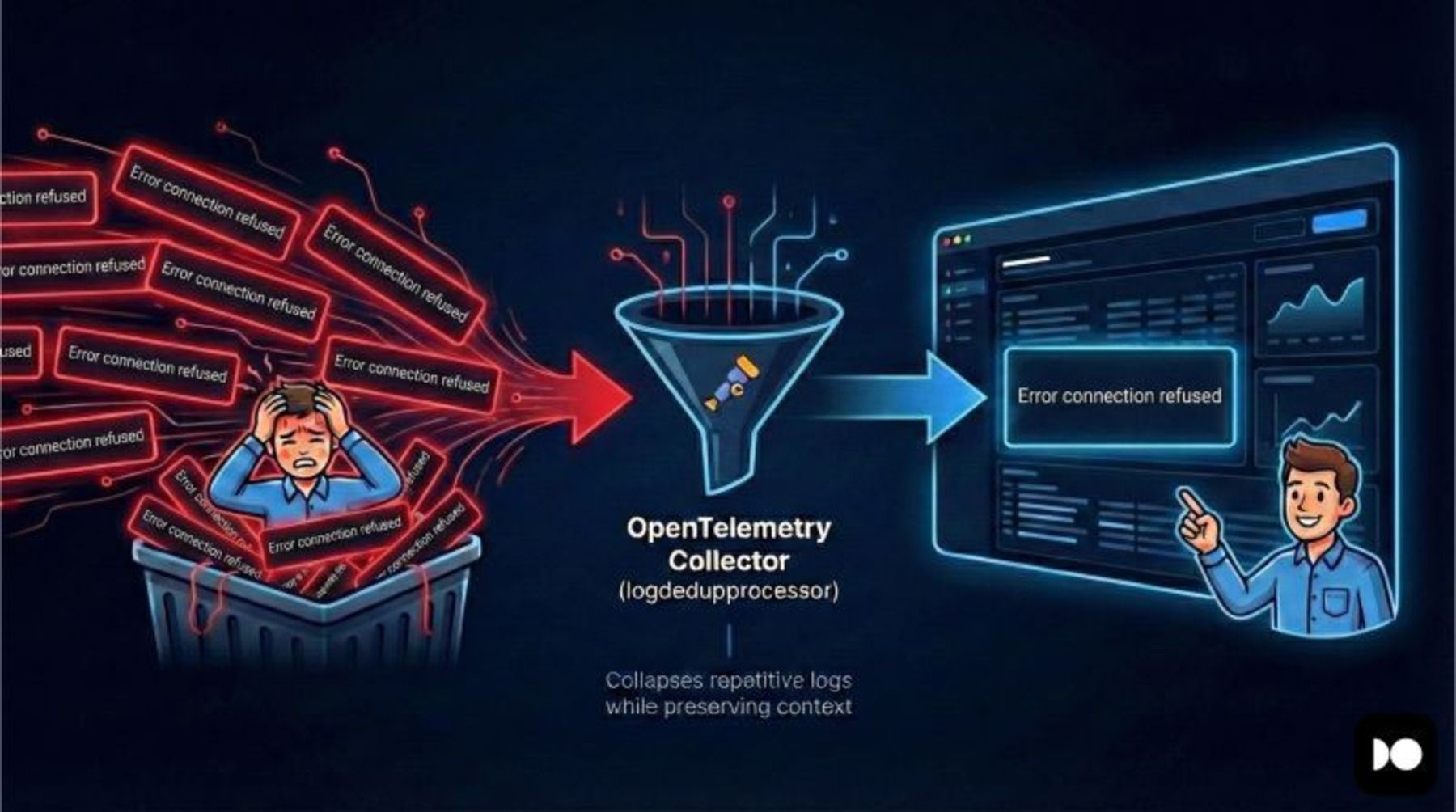
In this OpenTelemetry blog post, Juraci Paixao Krohling introduces the Log Deduplication Processor and the problem it aims to solve: repeated log entries that add cost but little additional insight.
Instead of forwarding every identical line downstream, the processor groups duplicate entries while preserving counts and context. The signal remains intact - the repetition does not.
For high-volume environments, this is a practical addition to the Collector toolbox, especially if ingestion curves have been climbing faster than expected. It’s not about hiding problems. It’s about recognizing that identical entries rarely add new information beyond “this happened again.”

Fixing Noisy Logs with OpenTelemetry Log Deduplication
From the Dash0 side, Ayooluwa Isaiah takes a more operational view of the same processor.
Enabling deduplication is straightforward. Understanding how aggregated counts affect alerting, dashboards, and troubleshooting requires more nuance. A spike represented as a grouped count behaves differently than thousands of identical lines.
The takeaway is simple: deduplication is a design decision. Applied deliberately, it sharpens your signal. Applied blindly, it merely reshapes the noise.
A Practical Guide to Agentic Observability in Dash0
In this guide, Julia Furst Morgado explores what agentic observability looks like in practice.
If deduplication reduces repetition, agentic observability reduces investigation time. Julia walks through how Agent0 and specialized AI agents assist in navigating telemetry - surfacing anomalies, correlating signals, and helping engineers move from question to insight more quickly.
But the foundation remains unchanged. Agent0 doesn’t fix messy telemetry. It benefits from structured spans, consistent attributes, and well-shaped pipelines. AI is only as useful as the signals it can reason about - which makes telemetry hygiene more relevant, not less.
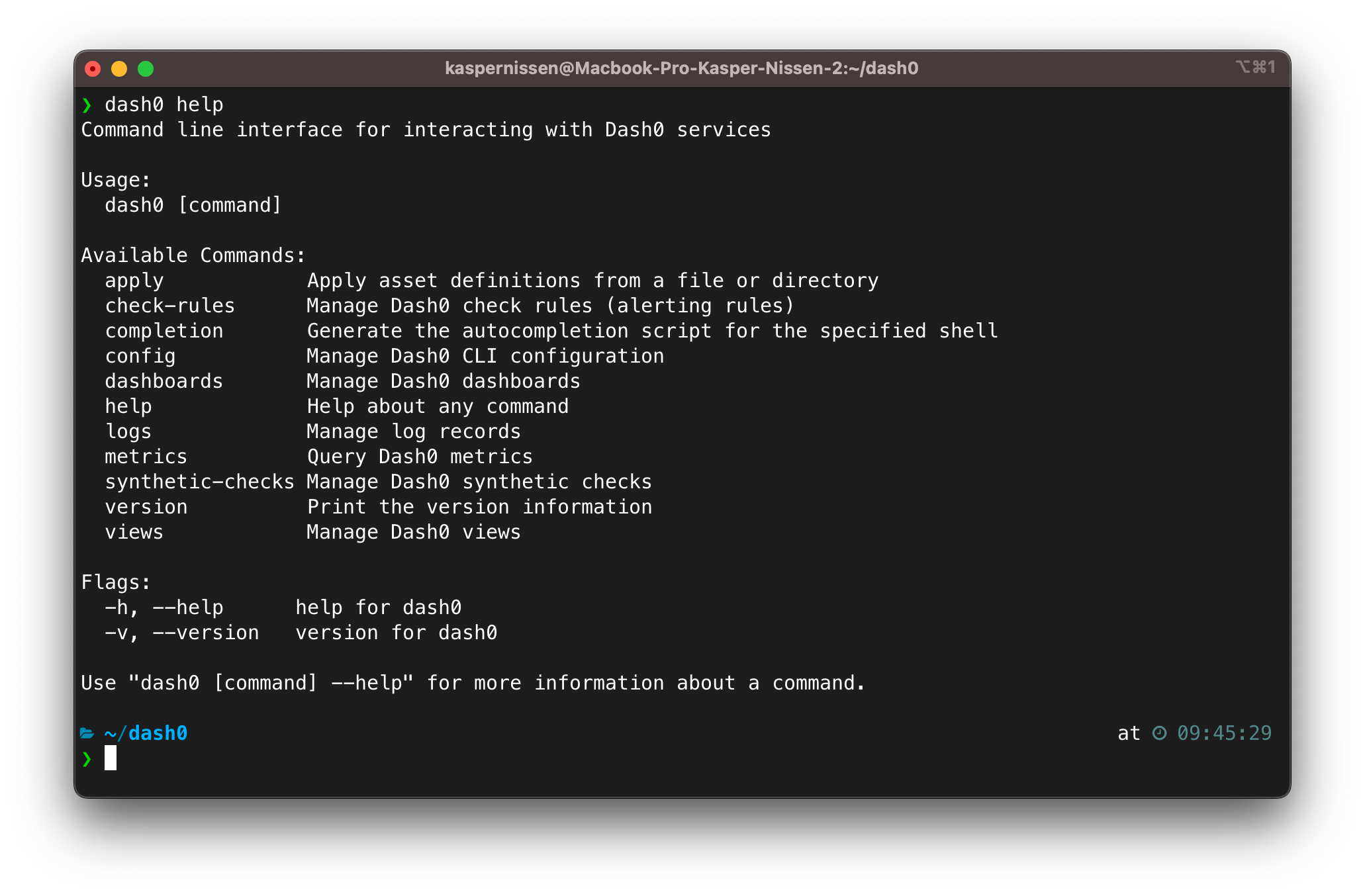
Dash0 CLI is Generally Available
Observability shouldn’t live exclusively in dashboards. The Dash0 CLI is now generally available, bringing configuration, context management, and automation directly into the terminal.
For platform engineers, this means observability integrates naturally with infrastructure-as-code, CI/CD, and scripted workflows. But it’s not just for humans. As agentic AI becomes part of operational workflows, the CLI becomes an equally important interface for machines. In many ways, the CLI is the new MCP - a stable, structured control plane that both engineers and agents can use to interact with your observability stack.
It’s a small surface change, but a meaningful one. When observability becomes scriptable, it behaves like the rest of your platform - composable, automatable, and ready for both people and programs.
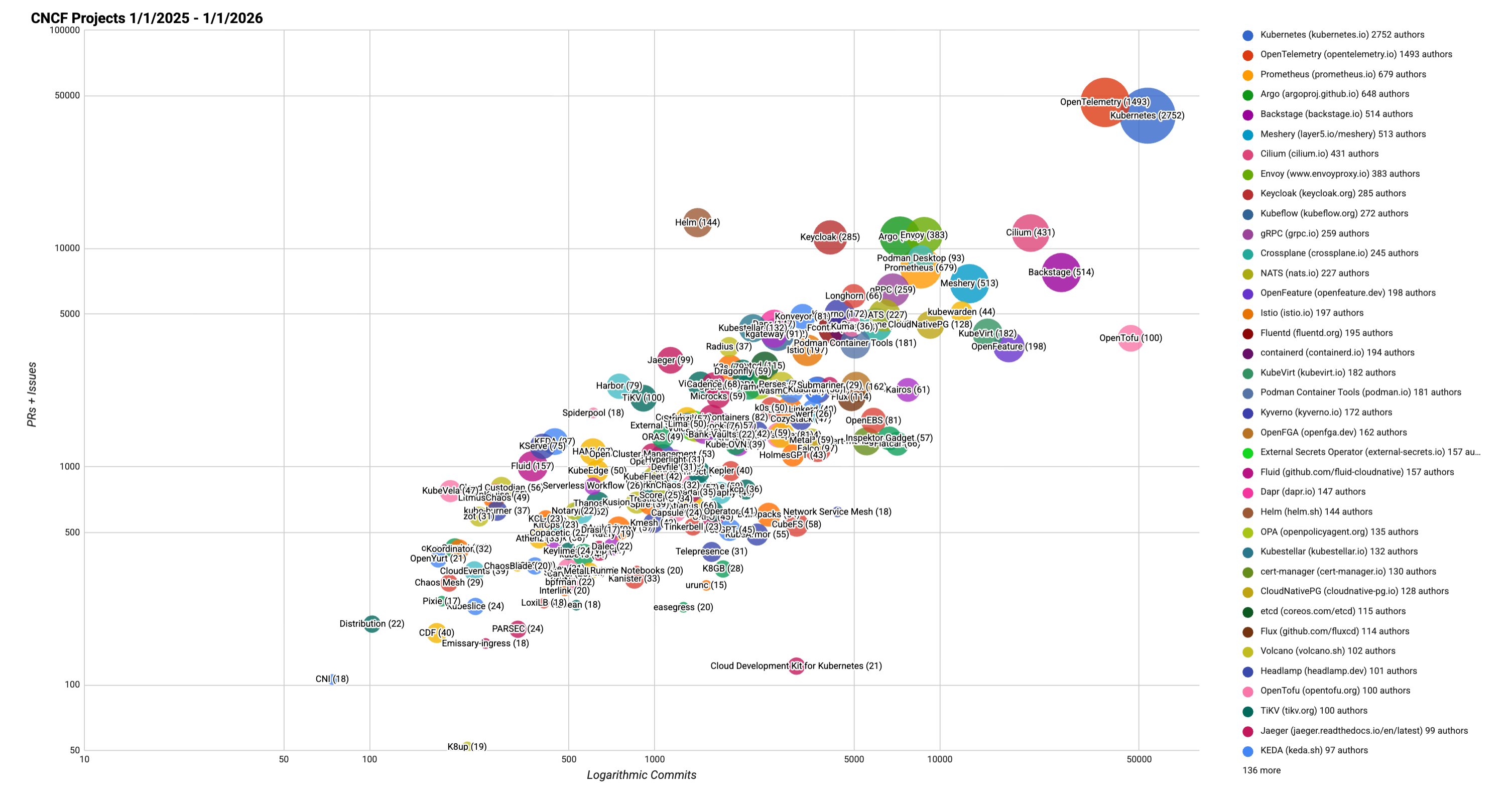
What CNCF Project Velocity in 2025 Reveals
The latest CNCF analysis on project velocity in 2025 offers a useful ecosystem snapshot.
Looking at contribution activity and project momentum doesn’t predict the future - but it does highlight where community energy is concentrated. Observability-related projects, particularly around OpenTelemetry, continue to show strong engagement. It’s less about declaring winners and more about understanding where refinement and experimentation are happening in public.
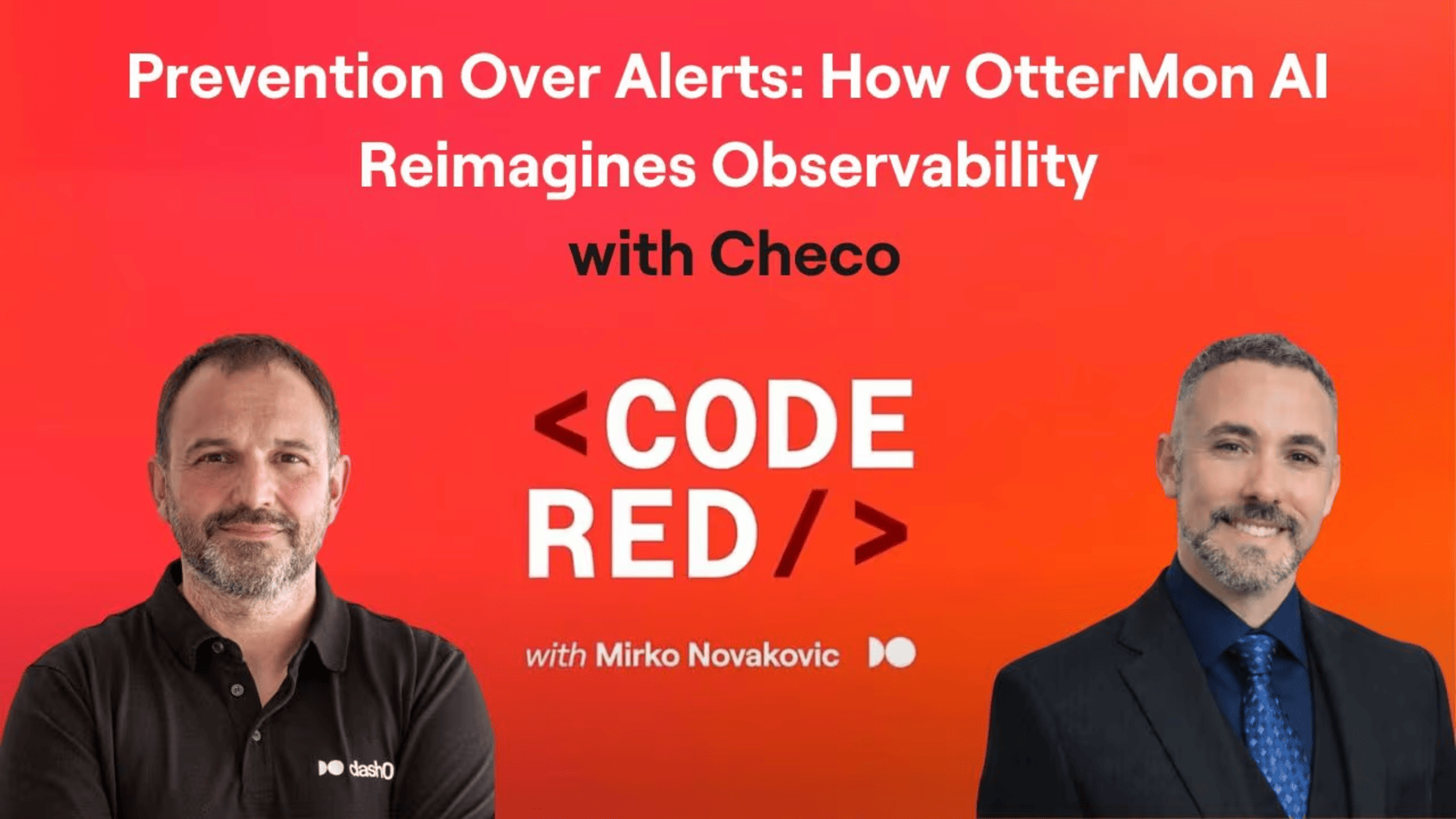
Code RED Podcast: Prevention Over Alerts: How OtterMon AI Reimagines Observability with Checo
In this episode, Mirko Novakovic sits down with Checo, CEO of Ottermon.ai, to discuss moving from reactive alerts to prevention.
Checo explains how OtterMon AI continuously analyzes telemetry to detect early signs of abnormal behavior - aiming to surface risks before they escalate into incidents. They also touch on what makes AI-driven prevention practical, and why structured, consistent telemetry is essential for it to work reliably.
It’s a focused conversation on how AI can complement modern observability workflows - without adding more noise.
Choice Cuts
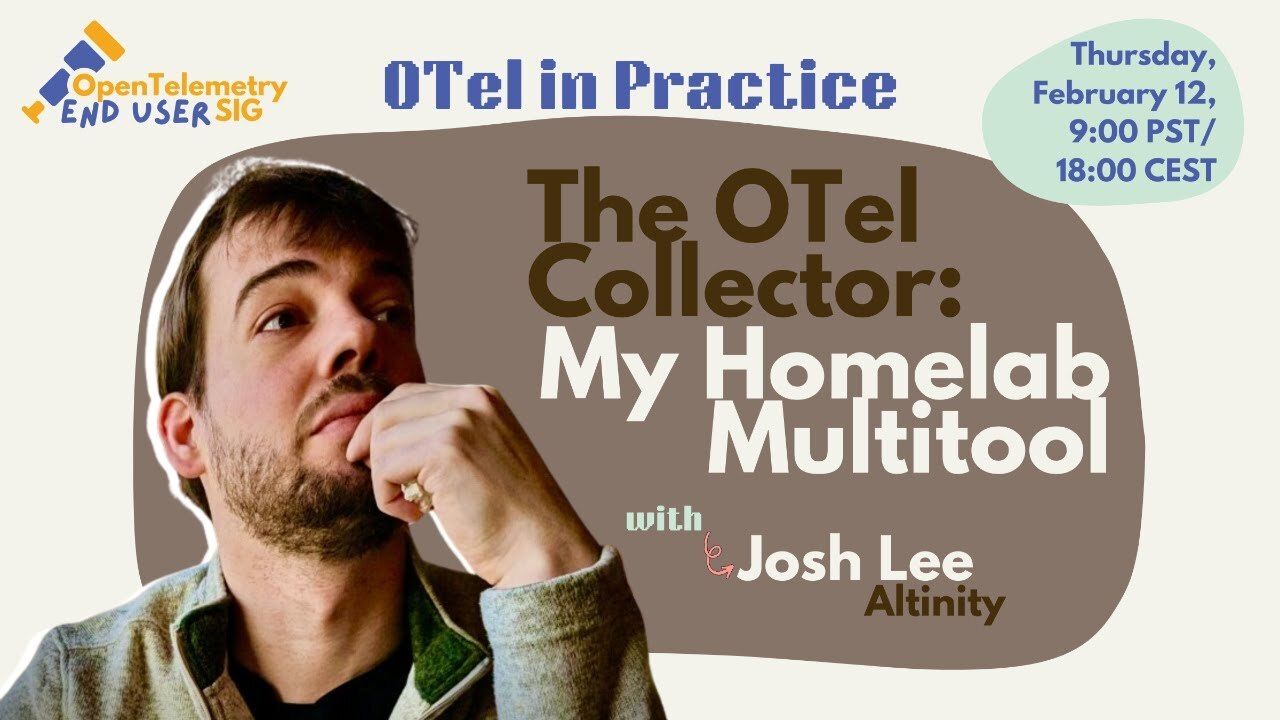
OTel in Practice: The OTel Collector - My Homelab Multitool
In the first OTel in Practice session of 2026, Josh Lee showed how he uses the OpenTelemetry Collector as the backbone of his homelab setup.
Rather than wiring logs, metrics, and traces directly to separate backends, Josh treats the Collector as both per-node agent and centralized ingestion gateway - standardizing ingestion and making backend experimentation easy without constant rewiring.
It’s a practical reminder that the Collector isn’t just plumbing. It’s architecture.
Telemetry Drops: OpenTelemetry Weaver with Joshua Suereth
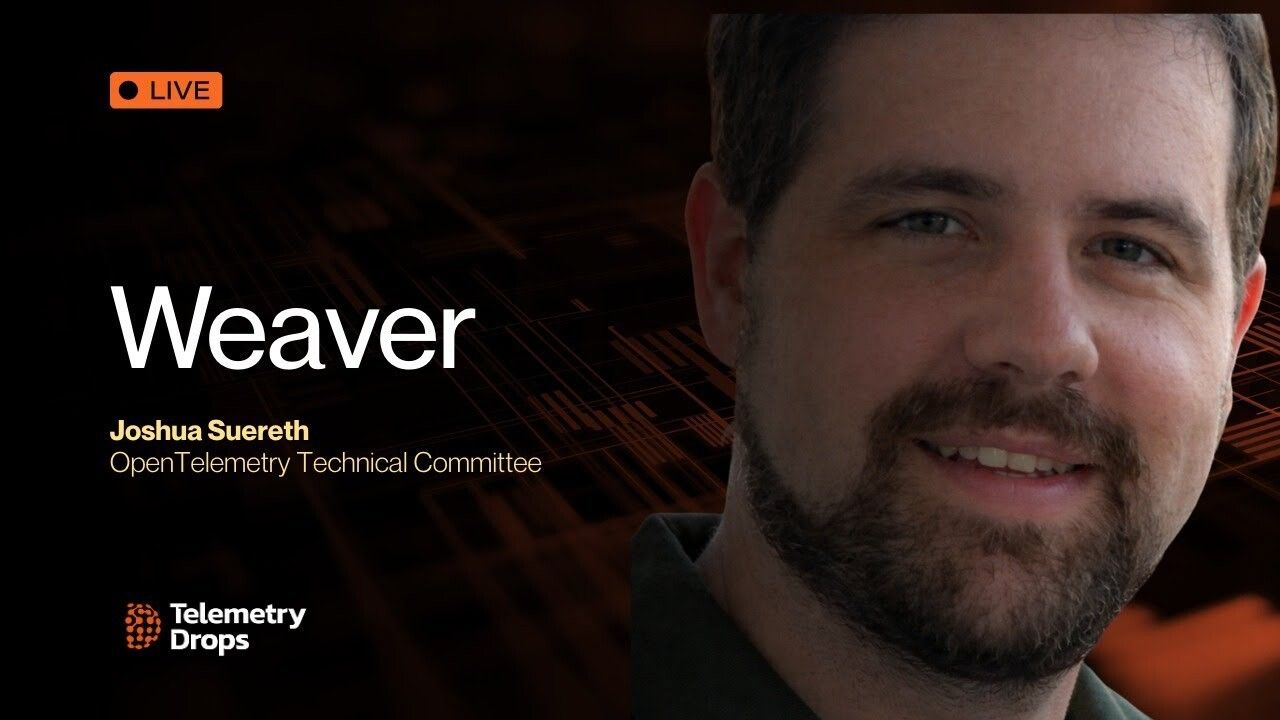
In this TelemetryDrops session, hosted by Juraci Paixão Kröhling, Joshua Suereth explores OpenTelemetry Weaver and its role in improving telemetry quality and semantic consistency.
Weaver validates telemetry against defined semantic conventions, helping catch deprecated attributes, missing fields, and structural inconsistencies before they spread across dashboards and alerts. It’s a practical look at how schema validation can become part of CI pipelines and platform guardrails - keeping telemetry aligned and usable as systems evolve..
If there’s a quiet thread running through this issue - and through many of the London conversations - it’s this:
Observability maturity isn’t necessarily about collecting more data - iIt’s about shaping what you already collect so it remains useful. Deduplicate where repetition adds no value, automate where it reduces friction, and keep telemetry structured enough that both humans and tools can reason about it.
Also, don’t miss next week’s OpenTelemetry Live featuring the new OpenTelemetry community managers - Adriana Villela, Reese Lee, and Julia Furst Morgado - in “What’s Up, OTel?” It’s always refreshing to hear directly from the people helping steer the community.
We’ll be back in two weeks with more from OpenTelemetry, platform engineering, and the steady work of making systems observable without making them overwhelming.
Until then: keep your collectors tidy.
Kasper, out.
Hi, my name is Kasper!
I’m Kasper Borg Nissen, Developer Advocate at Dash0. I’m passionate about Observability and bridging the gap toward developers through Platform Engineering. I’ve previously worked 8 years as a platform engineer, I’m a former co-chair of KubeCon+CloudNativeCon, and I’m genuinely obsessed with all things cloud-native and open standards.