Last updated: April 1, 2026
Code RED Newsletter #28
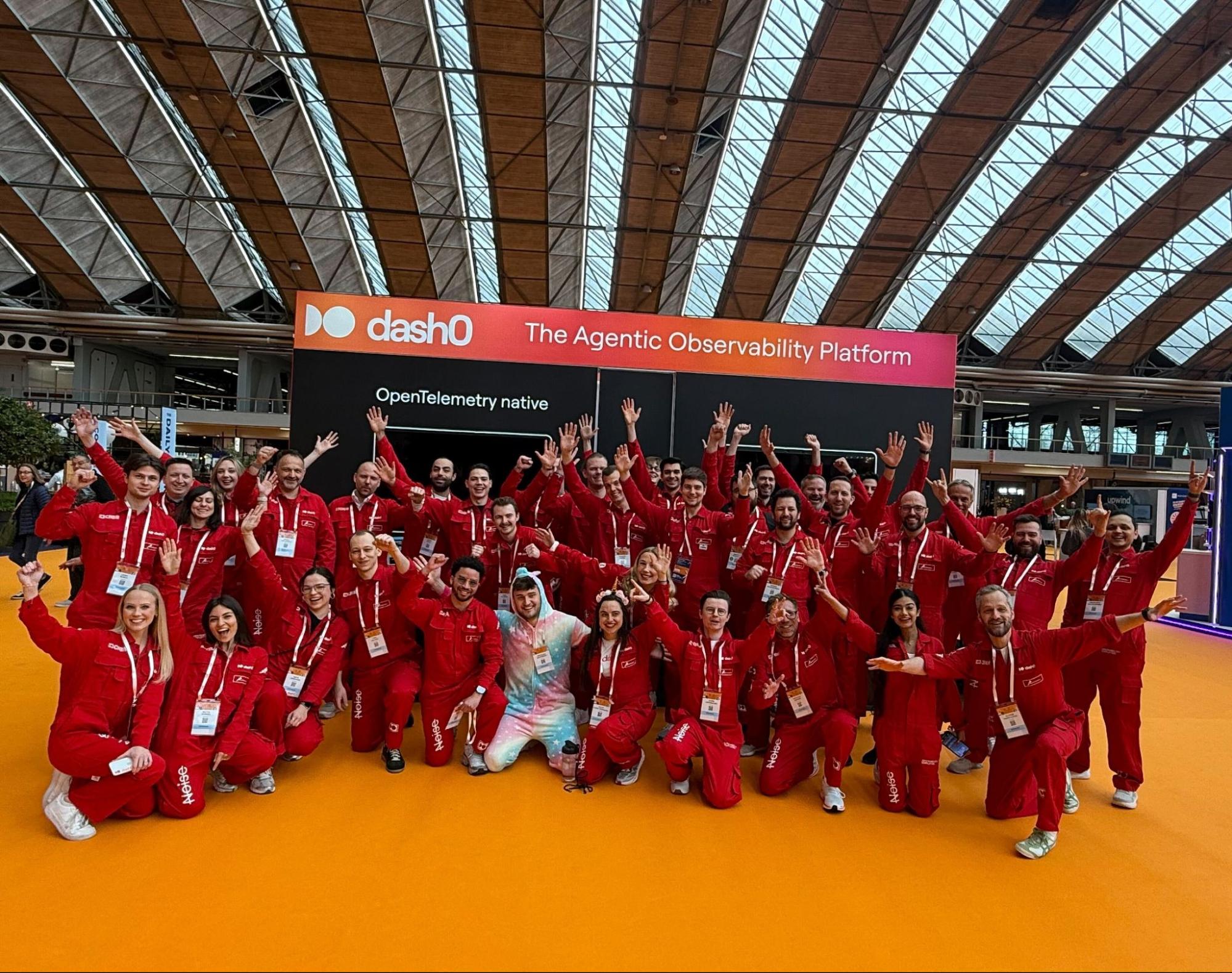
Back home in Denmark after five days in Amsterdam for KubeCon+CloudNativeCon Europe - the largest one yet, with over 13,000 attendees. The largest open source conference in the world. And yes, it snowed on Day 3. In Amsterdam. In late March. The simulation is clearly running some edge cases.
The week started with a bang: Mirko announced Dash0's Series B on Day 0 - $110M at a $1B valuation. That makes us a unicorn. 🦄
From there it was a blur of booth demos, hallway-track conversations, keynotes, and late-night celebrations. The Dash0 team worked hard at the booth all week - showing the product, talking OpenTelemetry and Perses, and giving away a good number of backpacks. I spent a lot of time there myself, chatting with people about how they approach observability, where they are on their migration to OpenTelemetry, and how tired they are of overpaying. A recurring theme: people are paying more for their observability provider than their actual infrastructure. That's quite something.
This issue is dedicated to the keynote highlights that stuck with me - and a few other things too good to skip.
In Focus: KubeCon EU Keynote Highlights
Every KubeCon has its own rhythm. This year's keynotes leaned into digital sovereignty, platform maturity, and some genuinely creative demonstrations of what happens when cloud-native technology meets the real world. Here are the ones I'd recommend watching.
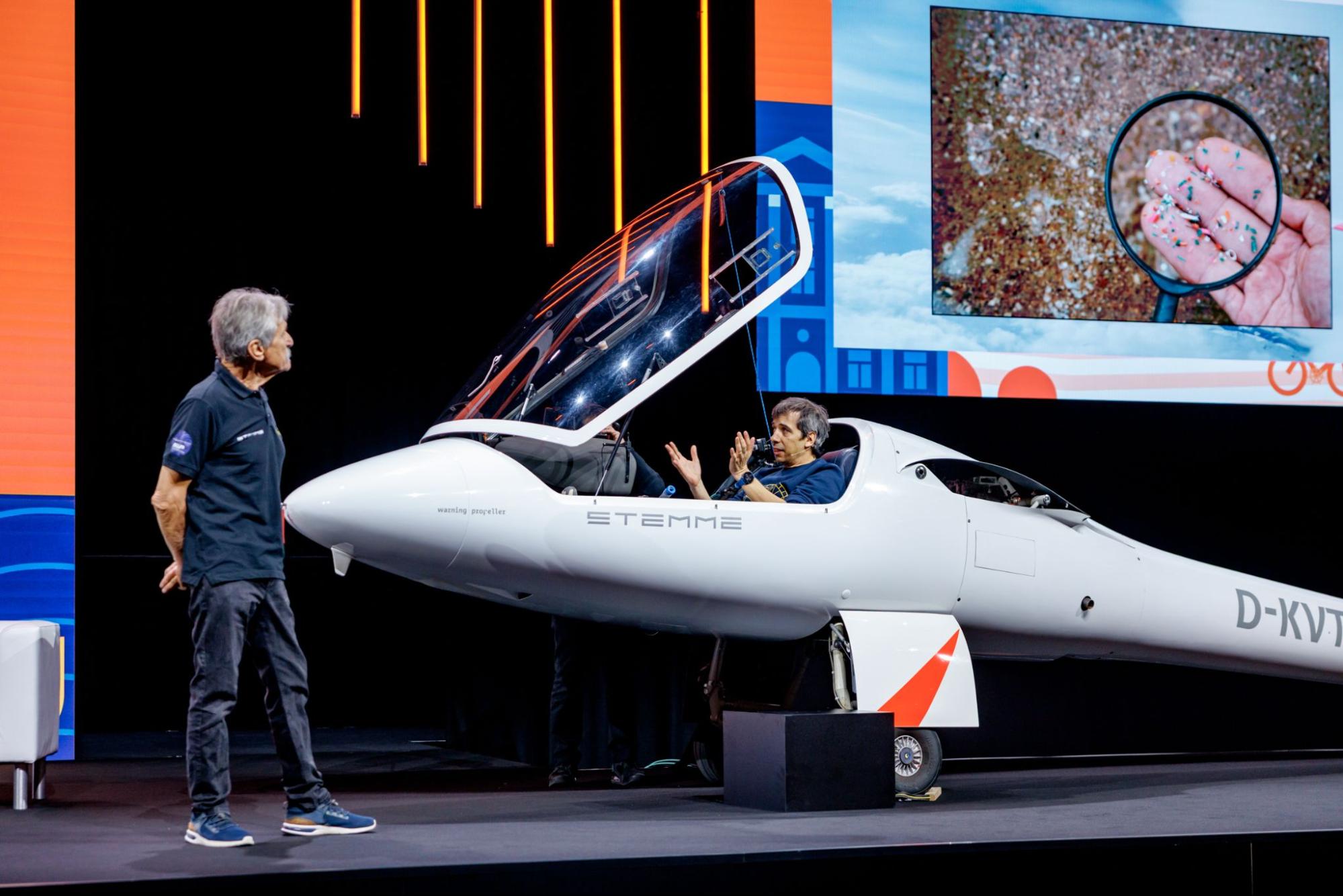
Riding the Waves: Around the World in an Electric Glider
Ricardo Rocha (CERN) and Klaus Ohlmann (Mountain Wave Project) took us on a journey around the world in an electric glider - powered entirely by mountain waves, jet streams, and renewable energy. CERN turned the glider into a flying science lab, streaming atmospheric and radiation data live through a Kubernetes-based telemetry pipeline. The kind of keynote that reminds you why open infrastructure matters beyond YAML and dashboards.
From Cloud-Native Apps to Cloud-Native Platforms
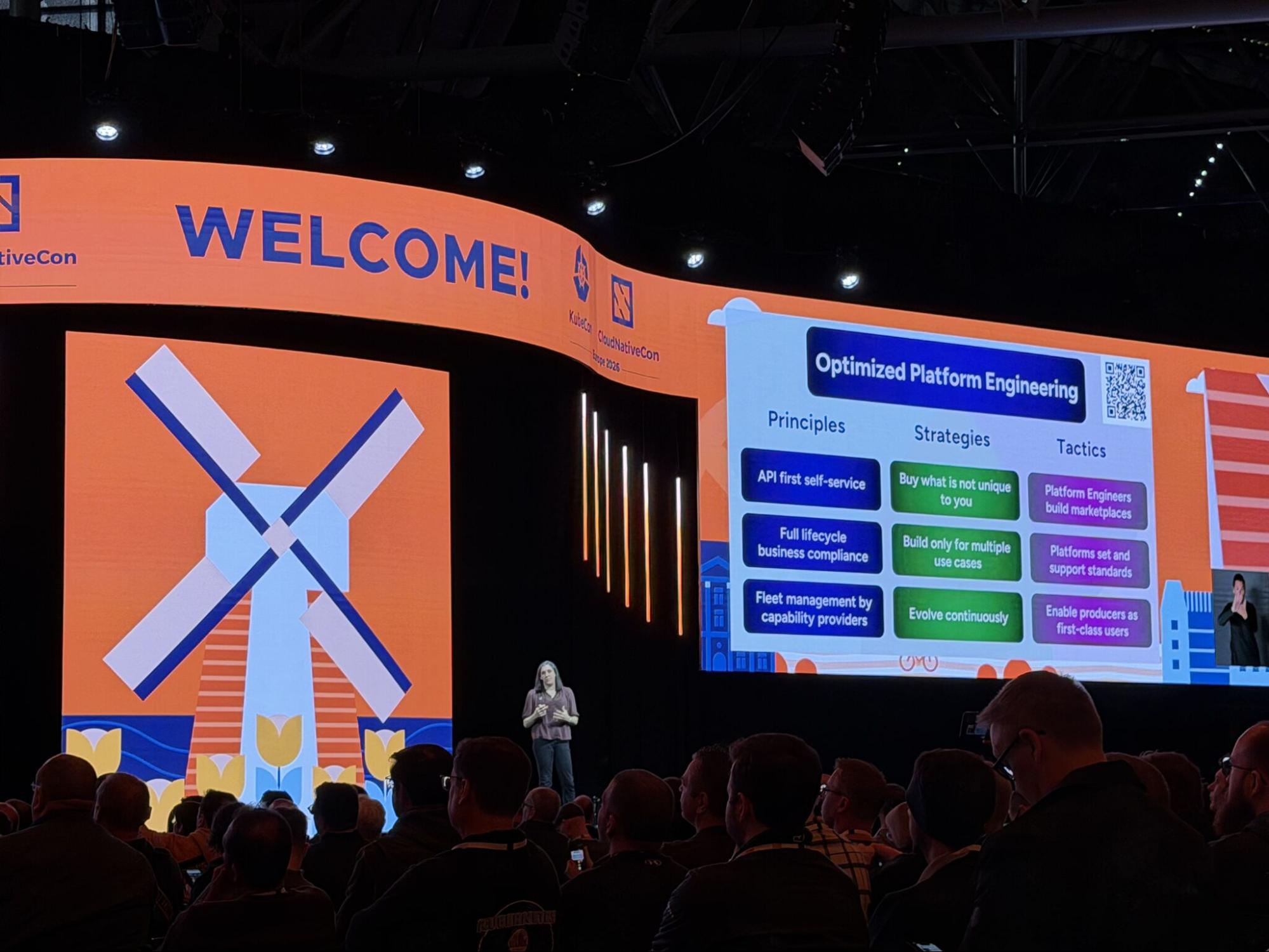
A big highlight for me. Abby Bangser (Syntasso) argues that platform engineering has a bottleneck problem - and adding more platform engineers isn't the fix. Instead, platforms need to let capability providers independently deliver value through a marketplace architecture. She introduces the 8 Platform Capability Factors - a "12-factor app" equivalent for platform producers. Sharp AI angle too: giving agents direct cloud access isn't innovation, it's shadow IT.
The Cloud Native Feedback Loop
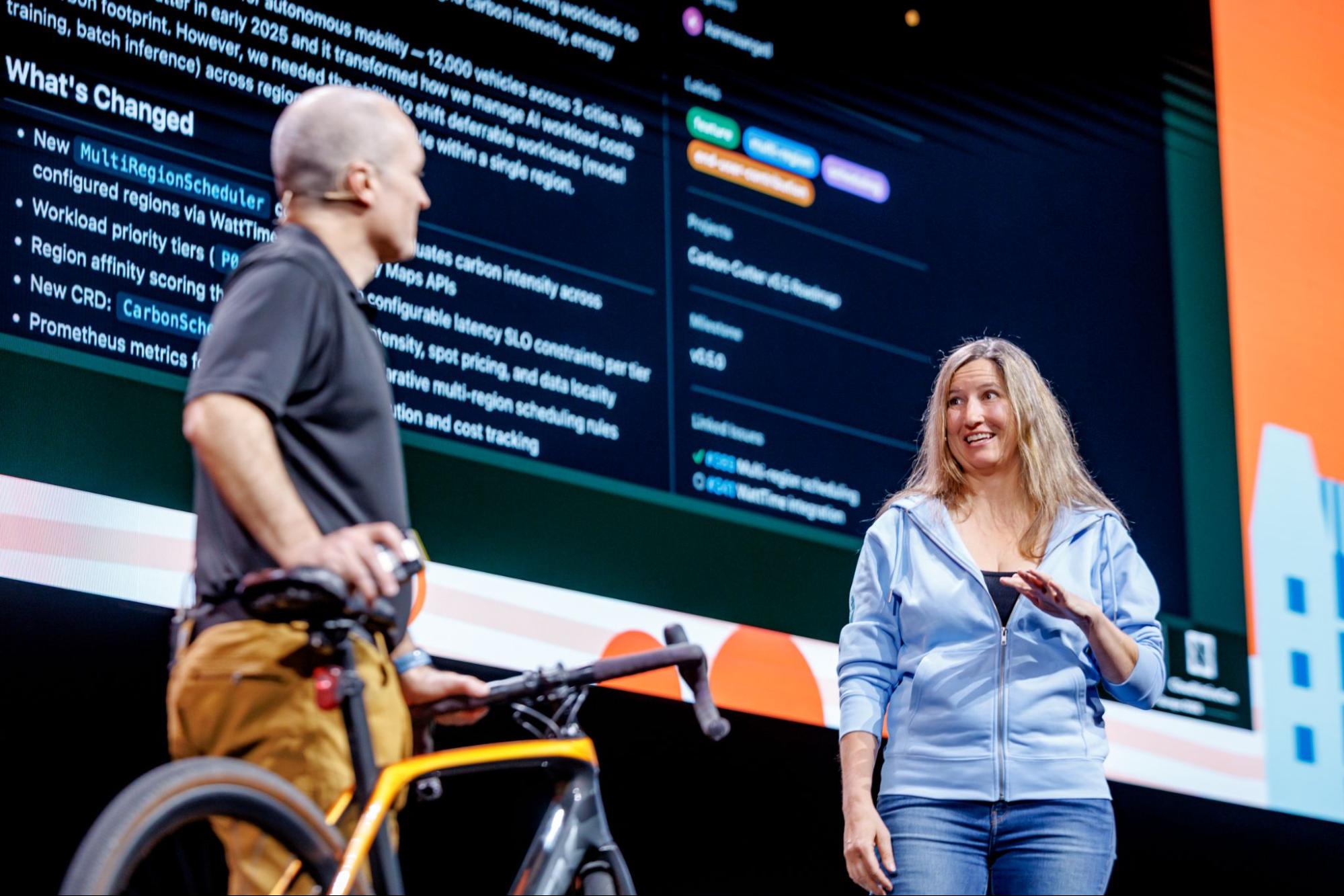
Karena Angell (Red Hat), Katie Gamanji (Apple), Chad Beaudin (Boeing), and Ahmed Bebars (NYT) made the abstract governance machinery of CNCF tangible - walking through how end users, the TAB, the TOC, and project maintainers form a feedback loop. Using a fictional scenario to illustrate project maturity levels, due diligence, and how production feedback shapes project stewardship. The message: don't just consume cloud native - contribute to it and close the loop.
Live Demo Showcase: Perses, Backstage, and HAMi
Two highlights from the keynote demo showcase. Perses - a CNCF sandbox observability visualization tool backed by Amadeus, Red Hat, and SAP - showed vendor-portable dashboards with an open spec, a Go SDK for typed PromQL (wrong query won't compile), and React components for embedding in your own UI. Seeing it on the keynote stage signals real momentum.
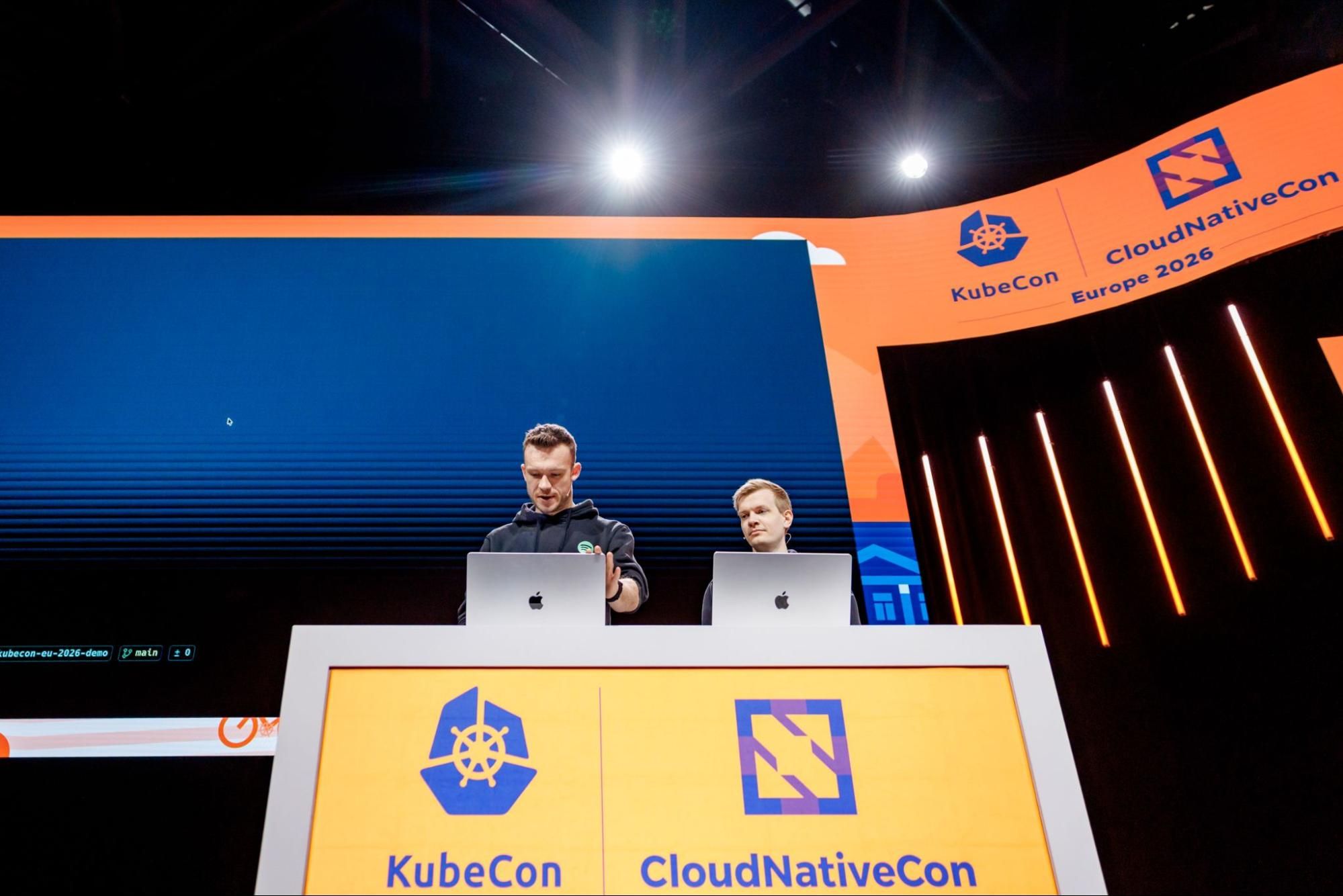
Then my good friends Ben Lambert and Patrik Oldsberg demoed Backstage in the AI era - including an MCP server that lets Claude and Gemini query the service catalog directly. The standout data point: at Spotify, AI tool usage increases Backstage UI usage. AI doesn't replace the developer portal - it makes it more valuable.
Choice cuts
While you recover from your own KubeCon jet lag, here are a few things worth catching up on.
Sampling: The Philosopher's Stone of Distributed Tracing
Michele Mancioppi breaks down head vs. tail sampling in OpenTelemetry for The New Stack. The critical insight: you cannot compute accurate RED metrics from sampled traces - metrics must be materialized before sampling discards data. No silver bullets, just better tooling and ongoing trade-offs.

Are You Ready for Agentic Observability?
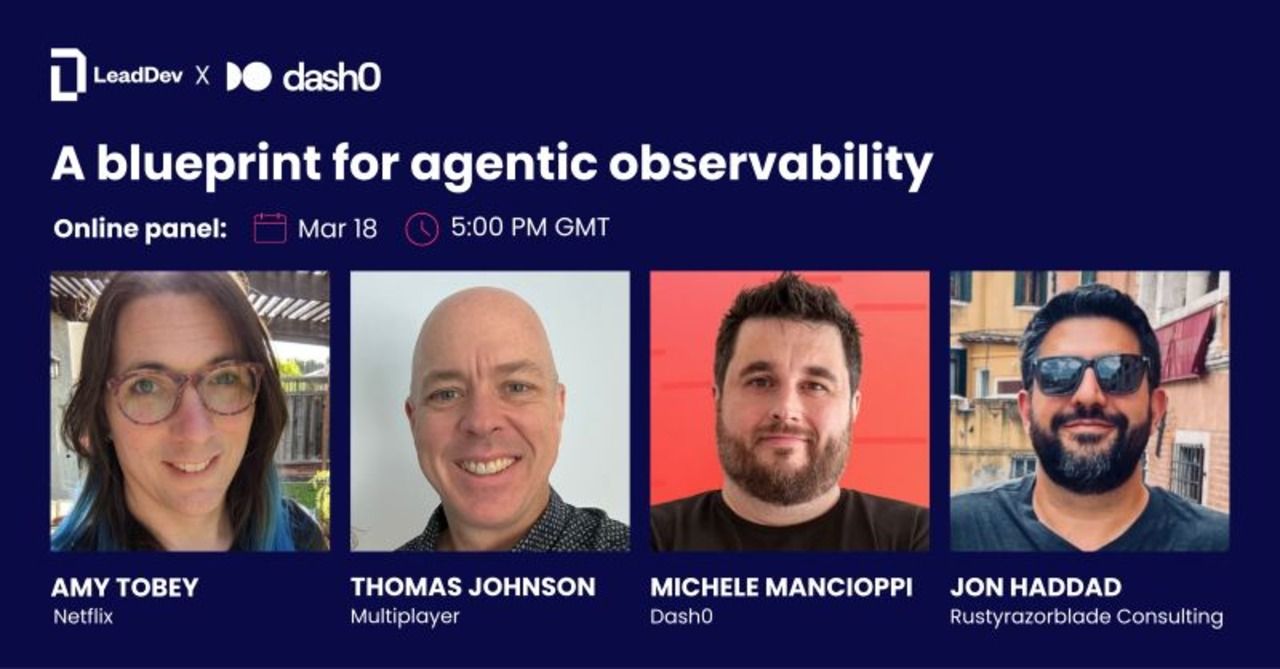
LeadDev panel with Amy Tobey (Netflix), Michele Mancioppi (Dash0), Jon Haddad, and Thomas Johnson (Multiplayer) on how AI agents are changing observability. Covers conversational troubleshooting, intelligent telemetry, and why bolting AI onto existing dashboards hasn't delivered the paradigm shift yet.
How Mastodon Runs OpenTelemetry Collectors in Production
Mastodon serves 300,000 daily active users and 10 million requests per minute - with essentially one observability engineer. One Collector per Kubernetes namespace, no gateway/agent tiers, tail-based sampling at 0.1%, and the OTel Operator for lifecycle management. Sometimes the simplest architecture is the right one.

OpenTelemetry Profiles Enters Public Alpha
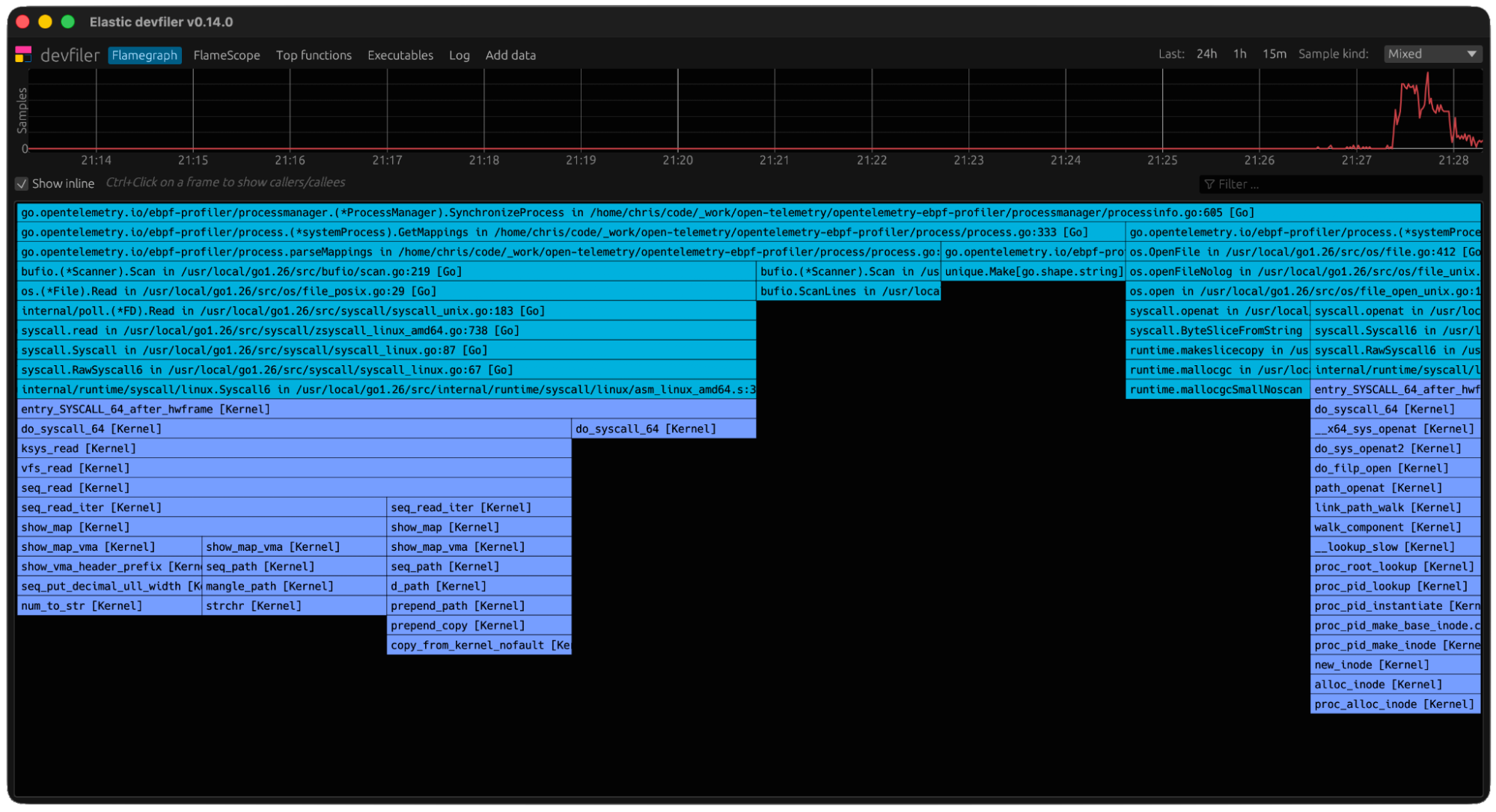
The fourth signal is becoming real. Profiles has officially hit public alpha - with a standardized data format 40% smaller on the wire, an eBPF-based profiling agent as a Collector receiver (zero instrumentation required), and full Collector support for receiving and transforming profile data. Still alpha, but the profiling ecosystem is converging.
Backstage: From Spreadsheet to Standard — The CNCF Documentary
The CNCF dropped a documentary on Backstage, and it's a trip down memory lane. I remember sitting at Lunar - microservices everywhere, growing teams, getting a bank license - watching the early demos and thinking: this is exactly what we're missing. We built an entity provider, introduced scaffolder templates, and eventually Backstage became part of how we approached compliance. Massive respect to everyone who turned this into a global standard for platform engineering.
KubeCon is always a bit chaotic - but it's hands down the best and most inspiring community to be part of. This year's edition felt like a maturation moment: less hype, more substance. Platform engineering is growing up. Observability is becoming infrastructure. And the conversations around AI agents are finally moving past "what if" and into "how do we actually make this work."
Oh, and the Dash0 team didn't stop shipping just because we were at KubeCon. Two fresh ones: Related Logs gives you all logs from the same resource and trace right in the sidebar, and Span Event to Log conversion just landed too.
Congrats to Abdel Sghiouar on being announced as the next KubeCon+CloudNativeCon co-chair - well deserved.
And keep an eye out for the recording of "Hotservability" - Michele, Juraci, Severin, and Austin Parker vs. ten hot sauces during KubeCrawl. Equal parts observability and suffering.
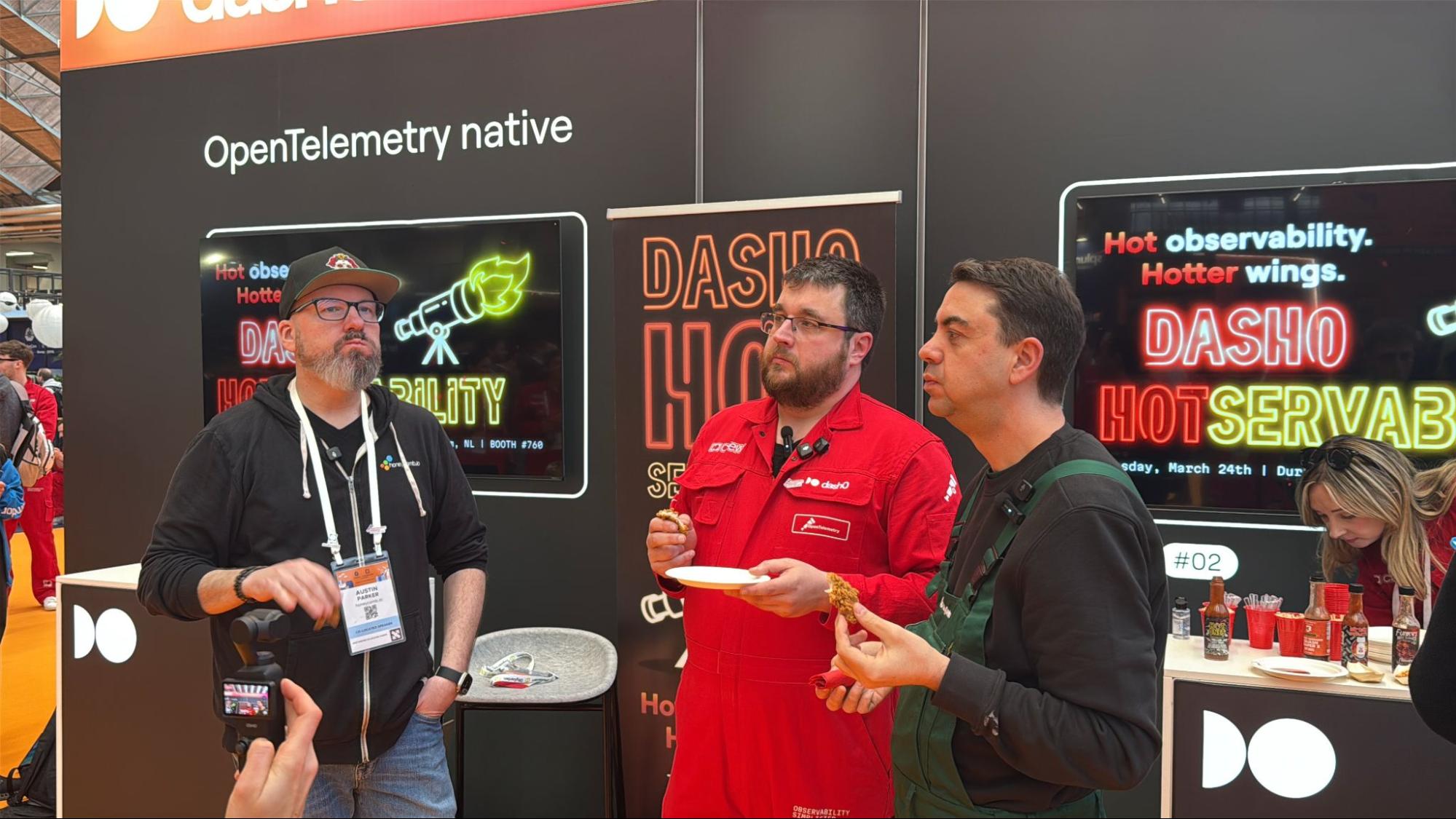
The face expression says it all. These men were degustating sauces that would make others scream.
Until then: may your traces survive sampling, your platforms scale horizontally, and your hot sauce tolerance remains higher than your alert fatigue.
Kasper, out.
Hi, my name is Kasper!
I'm Kasper Borg Nissen, Director of Product Marketing & Developer Relations at Dash0. I'm passionate about Observability and bridging the gap toward developers through Platform Engineering. I've previously worked 8 years as a platform engineer, I'm a former co-chair of KubeCon+CloudNativeCon, and I'm genuinely obsessed with all things cloud-native and open standards.