Last updated: January 23, 2026
Code RED Newsletter #23
It’s good to be back. After a three-week vacation in Thailand with my family, I’m back at the keyboard - refreshed, recharged, and slowly reacclimating to a world of alerts, dashboards, and YAML that didn’t disappear while I was gone (sadly).
This issue brings together reflections from the OpenTelemetry community, lessons learned from real-world adoption, and a few forward-looking questions as we properly settle into 2026.
In focus: Observability at the Start of 2026
As OpenTelemetry continues to mature, the conversation is less about whether to adopt it and more about how teams operate with it day to day - without losing their sanity or their signal-to-noise ratio.
The pieces in this issue look back at what the ecosystem learned over the past year - adoption challenges, community growth, and operational lessons - while also looking ahead to what 2026 may bring: better signal quality, stronger operational maturity, and more resilient (and hopefully less noisy) systems.
OpenTelemetry.io 2025 review
The OpenTelemetry maintainers reflect on a big year for the project - steady growth, maturing SIGs, and an increased focus on stability and governance. A solid snapshot of where OpenTelemetry stands today, and a reminder that boring progress is often the healthiest kind.
What 10,000 Slack Messages Reveal About OpenTelemetry Adoption Challenges
By analyzing thousands of messages from the OpenTelemetry Slack, this post surfaces the most common struggles teams face in practice - configuration confusion, mental overhead, and the occasional “why is nothing showing up?” moment. A strong reminder that good docs and clear defaults still matter.

We’re past the OpenTelemetry “Honeymoon Period”
Adriana Villela puts words to a feeling many teams share: OpenTelemetry is no longer new or shiny - it’s infrastructure. This article explores growing pains, unmet expectations, and why moving past the honeymoon phase is a necessary step toward real maturity.
Code RED Podcast: Contributing to OpenTelemetry with Marylia Gutierrez
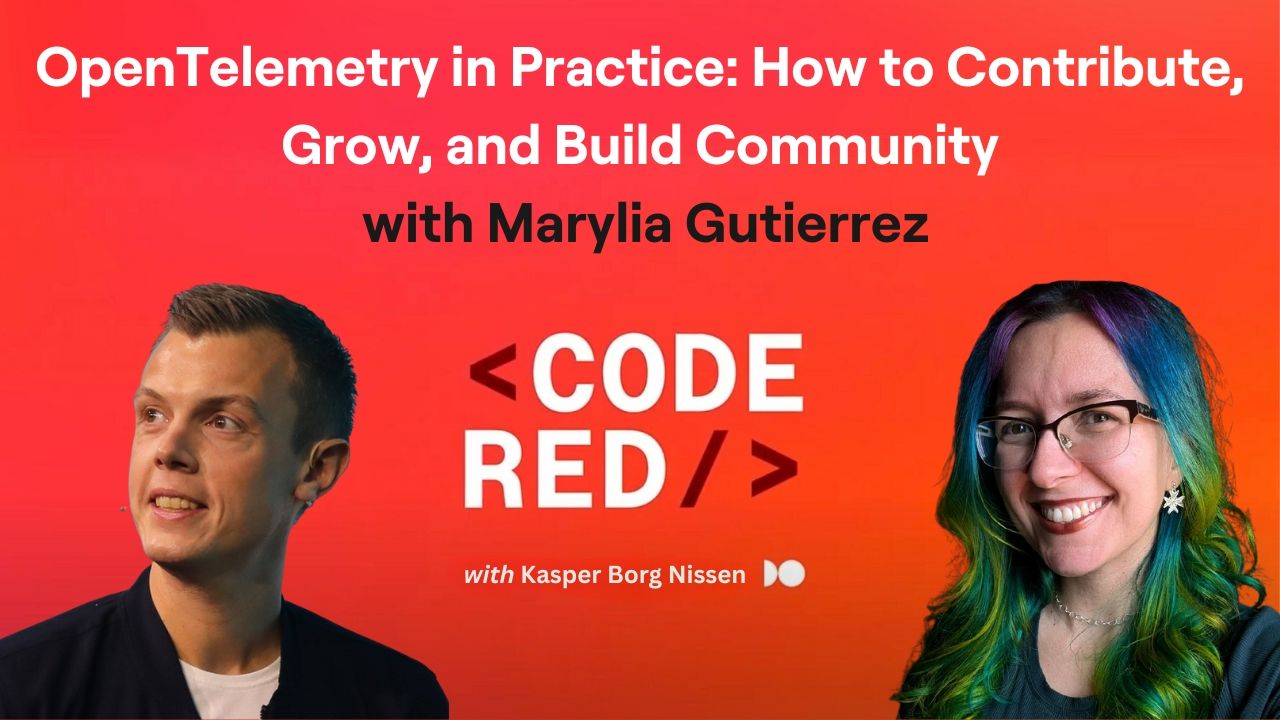
This is my first episode as host! I’m joined by Marylia Gutierrez - Principal Software Engineer at Grafana Labs, OpenTelemetry maintainer, and member of the OTel Governance Committee - to talk about contributing to OpenTelemetry. We cover how to get started, why non-code contributions matter, and how the community actually works once you peek behind the curtain.
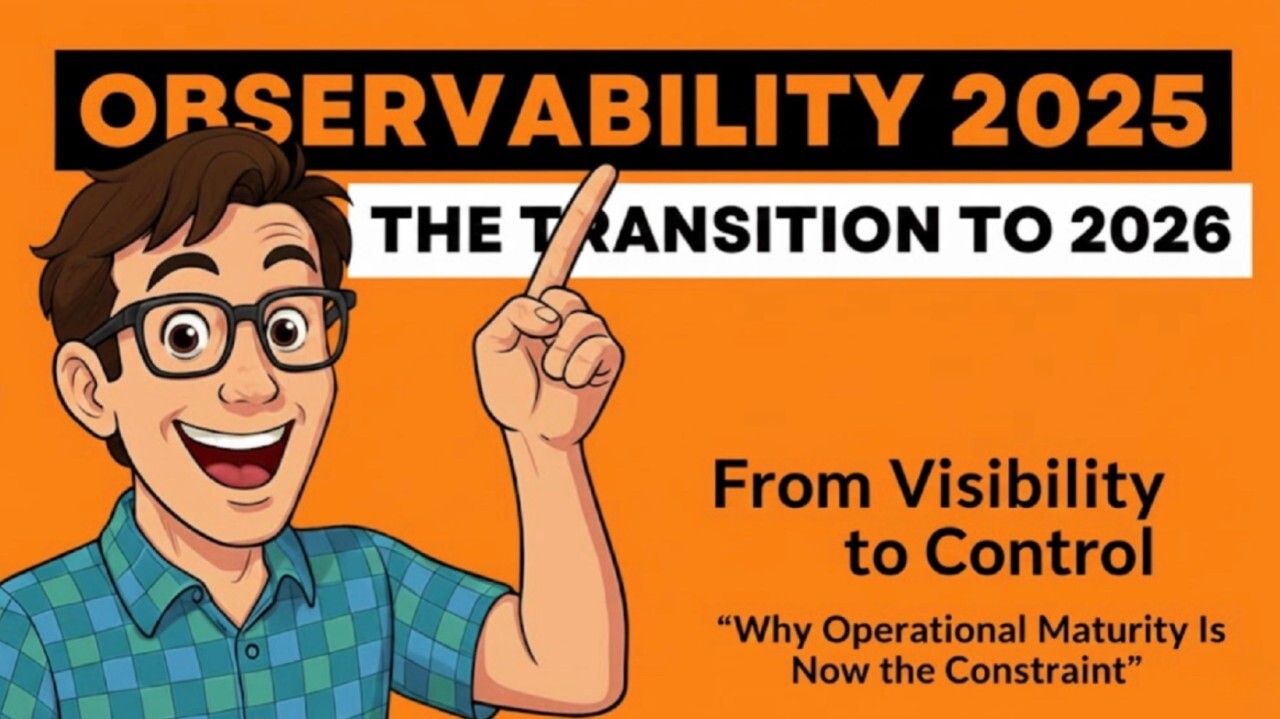
From Visibility to Control, Why Operational Maturity Is Now the Constraint
Andrew Mallaband argues that most organizations don’t struggle because they lack observability tools - they struggle because they lack operational maturity. Dashboards don’t create reliability; feedback loops do. A sharp take on why tooling is no longer the bottleneck.
Can OpenTelemetry Save Observability in 2026?
The New Stack asks a provocative question: has OpenTelemetry fixed observability - or simply moved the hardest problems upstream? A balanced look at why open standards are essential, but still only part of the story.

Choice cuts
A couple of broader ecosystem reads - less about pipelines and processors, more about the bigger picture.
A decade of open source in CNCF with 300,000+ contributors and counting
A look back at ten years of the Cloud Native Computing Foundation and what it takes to sustain open source at massive scale. From Kubernetes to OpenTelemetry, this is ultimately a story about governance, community, and playing the long game.
Autonomous, Resilient Workflows: How Close Are They to Reality?
Autonomy sounds great - right up until a workflow fails at 2 a.m. This article explores how close we really are to resilient, self-healing systems, and why observability, context propagation, and humans in the loop are still very much required.

As we move further into 2026, a clear pattern emerges across all of these pieces. OpenTelemetry has become the foundation - not the finish line. The real work now happens above and around it: improving signal quality, building operational muscle, closing feedback loops, and helping teams turn telemetry into decisions instead of just prettier dashboards.
From Slack insights and maintainer reflections to questions about autonomy and resilience, the message is consistent: observability is growing up. And with that comes a shift in responsibility - from collecting everything to using the right things well.
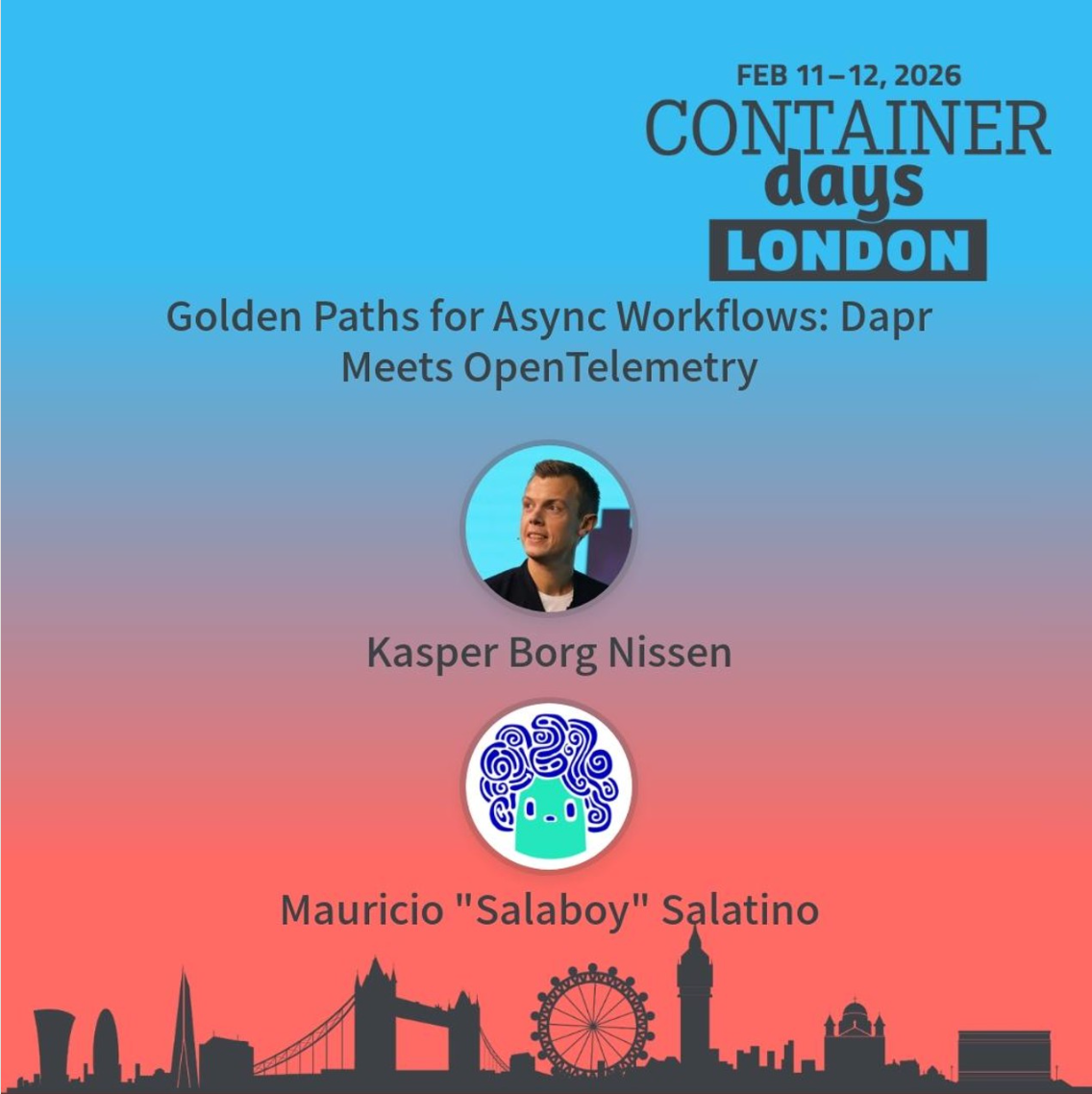
I’ll be at Container Days in London on February 11–12, speaking and stopping by the Dash0 booth. If you’re around, come say hi - always happy to chat about observability, OpenTelemetry, or platform engineering (and possibly complain about alert fatigue).
Kasper, out!
Hi, my name is Kasper
I’m Kasper Borg Nissen, Principal Developer Advocate at Dash0. I’m passionate about Observability and bridging the gap toward developers through Platform Engineering. I have previously worked eight years as a platform engineer, I’m a former co-chair of KubeCon + CloudNativeCon, and I’m genuinely obsessed with all things cloud-native and open standards.